30,000+
Procedures Performed
Obesity Control Center reports more than 30,000 procedures performed through its comprehensive bariatric program.
Source
Obesity Control Center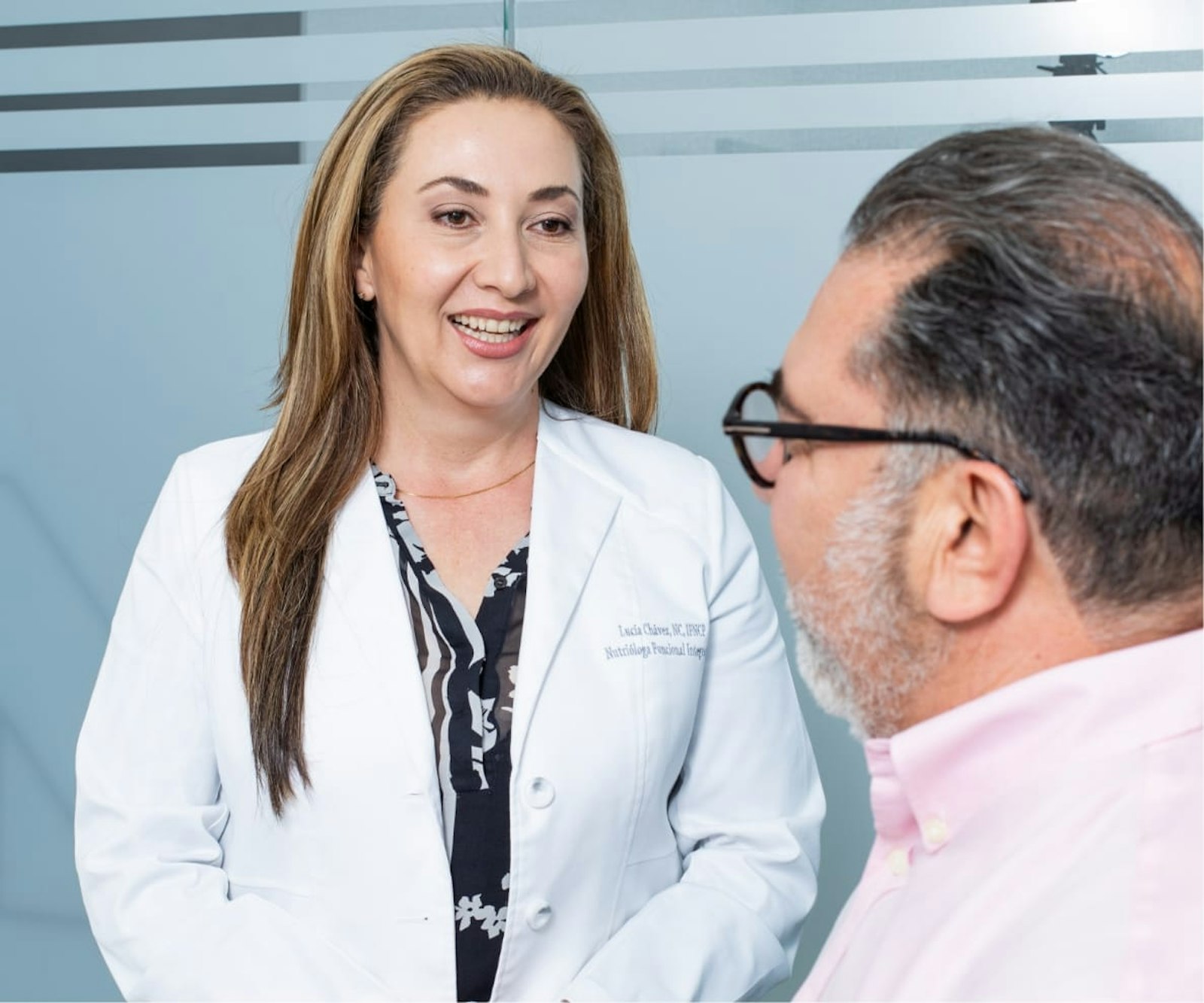
Educational comparison of accredited hospitals and surgeons in Tijuana for US patients. Self-pay patients may see substantial cost differences compared with typical US pricing; actual savings vary.
Your inquiry is received by the Obesity Control Center patient-care team. Weight Loss Surgery Guide is an educational platform operated by Cyntar S.C.; procedures are performed at Hospital Cyntar in Tijuana, Mexico.
Where are you in your journey?

60–75%
Potential self-pay savings
2,000+
Procedures / yr
4.9★
Patient rating
This educational guide is provided by the experienced team at Hospital Cyntar and The Ariel Center for Cosmetic Surgery in Tijuana, Mexico. We help patients make informed decisions about safe, accredited weight loss surgery.
Weight Loss Surgery Guide is an educational and patient-inquiry platform operated by Cyntar S.C. Patient inquiries and clinical evaluations are handled by Obesity Control Center, the bariatric and metabolic medical practice. Procedures for approved patients are performed at Hospital Cyntar in Tijuana, Mexico.
This website is educational. It is not a hospital, medical practice, or independent rating organization. Comparisons on this site are based on publicly available information, accreditation status, published outcomes, and provider-supplied information.
Patients should independently verify all information and consult a qualified physician before making any healthcare decision.
When comparing bariatric centers, procedure volume, accreditation, published outcomes, and long-term follow-up matter.
30,000+
Obesity Control Center reports more than 30,000 procedures performed through its comprehensive bariatric program.
Source
Obesity Control Center19,801
A published ASMBS scientific presentation analyzed outcomes from 19,801 bariatric surgery patients treated under a standardized program following ASMBS guidelines.
JCI
Obesity Control Center appears in the official Joint Commission International accredited organizations directory.
Since 2010
Obesity Control Center has been designated an SRC-accredited Center of Excellence in Metabolic & Bariatric Surgery since 2010.
Weight Loss Surgery Guide is an educational and patient-inquiry platform operated by Cyntar S.C. Clinical care is provided by Obesity Control Center at Hospital Cyntar.
Bariatric & metabolic medical practice
Obesity Control Center (OCC) is the medical practice that evaluates patients, determines candidacy, and coordinates clinical care. OCC's board-certified surgical team performs bariatric and metabolic procedures for approved patients.
Learn moreLicensed hospital (physical facility)
Hospital Cyntar is the licensed hospital in Tijuana, Mexico where approved procedures are performed. It houses the operating rooms, recovery units, and inpatient facilities used by the OCC surgical team.
Learn moreWeight Loss Surgery Guide (this website) is operated by Cyntar S.C. and is not itself a medical practice or hospital. It is affiliated with OCC and Hospital Cyntar; it does not provide medical advice.
A guided, step-by-step process — from your first message to long-term follow-up. Every step is coordinated by a patient advisor.
Share your history and goals through a short, private inquiry received by the Cyntar S.C. patient-care team.
Obesity Control Center reviews your information and, when appropriate, coordinates a clinical evaluation to determine candidacy.
OCC's bariatric team recommends the procedure and pathway that fit your case — based on medical criteria, not marketing.
Our team helps you plan dates, border crossing, hotel, and hospital stay with clear written details.
Approved procedures are performed at Hospital Cyntar in Tijuana, Mexico, by the OCC surgical team.
Continue with remote nutrition, recovery, and long-term monitoring support after you return home.
Plain-language guides to understanding, planning, treatment, and travel — each grouped by where you are in the process.
Learn the options and whether surgery makes sense for you.
Compare providers, costs, and financing before you decide.
Explore the procedures and the facilities that perform them.
Understand the logistics of getting care in Tijuana.
For thousands of US patients, Tijuana offers an affordable, accredited path to life-changing weight loss surgery — minutes from the California border.

Self-pay patients may see substantial cost differences compared with typical US pricing. Actual savings vary by procedure, insurance status, travel expenses, complication coverage, and individual treatment needs — but cost should never be the only factor in choosing a bariatric program.
Patients should verify whether the specific facility currently holds JCI, SRC, GHA, COFEPRIS, or other relevant accreditation, and should confirm what those accreditations cover.
A short flight to San Diego and a quick, coordinated border crossing — no long-haul travel required.
Some patients consider international or private-pay options when insurance delays, scheduling barriers, or local access limitations make timely care difficult.
Estimated all-inclusive ranges. Actual pricing depends on individual evaluation.
Average patient saves $15,000+ per procedure.
According to the American Society for Metabolic and Bariatric Surgery (ASMBS), average bariatric surgery costs in the United States range between $17,000 and $26,000.
Current Obesity Control Center gastric sleeve pricing begins at approximately $4,995.
This may represent substantial cost differences for self-pay patients. Actual savings vary based on procedure type, insurance coverage, travel costs, and individual treatment plans.
Our educational evaluation is built on objective, patient-safety-first criteria — accreditation, surgeon qualifications, outcomes reporting, follow-up, transparency, and patient support. We assess every center against the same standards, with no pay-to-play placement.
We prioritize facilities holding Joint Commission International, Global Healthcare Accreditation, or comparable accreditation — the global benchmark for patient safety.
Board certification, years in practice, and documented bariatric specialization carry the heaviest weight in our scoring.
Higher annual case volume correlates with better outcomes. We verify reported volumes against hospital records where possible.
Complication rates, ICU availability, anesthesiology standards, and emergency protocols are reviewed for every center.
Transparent pricing covering surgery, hospital stay, labs, transport, and lodging — with no hidden fees.
Long-term nutrition coaching, remote follow-up, and accessible revision care are essential for lasting results.
Transparency note: This guide is published by Hospital Cyntar & The Ariel Center. Rankings reflect our editorial assessment of publicly available data and may not include every provider. Always verify accreditation and conduct your own consultation.
An at-a-glance, educational comparison of evaluated bariatric centers. Review publicly available accreditation information and provider details side by side.
The information below is based on publicly available online sources reviewed in June 2026. Accreditation, pricing, procedure volume, years in operation, ratings, and package details may change at any time. Patients should verify all information directly with each provider before making a healthcare decision.
| Provider | Accreditation | Publicly Verifiable Information |
|---|---|---|
Hospital Cyntar / Obesity Control Center | See provider for current accreditation status | Published by Hospital Cyntar and The Ariel Center for Cosmetic Surgery. Integrated bariatric and post-bariatric plastic surgery, on-site ICU, and 24/7 monitoring. See provider for current pricing and package details. Reviewed June 2026Hospital Cyntar |
Mexico Bariatric Center (Tijuana) | Not independently verified | Website states it has operated since 2012 and lists gastric sleeve from $4,295, gastric bypass from $5,595, duodenal switch from $6,595, and revision surgery from $4,990+. Its Hospital AZAR page states the hospital has COFEPRIS licensing and says JCI/Center of Excellence accreditation is "soon," not current. Reviewed June 2026Mexico Bariatric Center |
Pompeii Surgical (Tijuana) | Not independently verified | Website states all-inclusive pricing: gastric sleeve $4,900, gastric bypass $5,800, revision from $5,800, 30,000+ patients, 5,000+ reviews, and all-inclusive service since 2014. Reviewed June 2026Pompeii Surgical |
Jerusalem Hospital Bariatrics | Not independently verified | Limited public information found. WhatClinic lists Hospital Jerusalem in Tijuana with pricing inquiry options and limited review information. Do not claim accreditation, volume, or years unless verified directly. Reviewed June 2026WhatClinic listing |
Renew Bariatrics Network | Not independently verified | Website states surgeries are performed at Hospital Joya Cancun, Obesity Surgical Center, and SER Hospital in Tijuana; lists surgeons including Dr. Hector Perez, Dr. Jorge Green, Dr. Rene Armenta, and Dr. Antonio Cueva; claims up to 80% lower cost and gives gastric bypass example around $6,000 vs. $29,000 in the U.S. Reviewed June 2026Renew Bariatrics |
Published by Hospital Cyntar and The Ariel Center for Cosmetic Surgery. Integrated bariatric and post-bariatric plastic surgery, on-site ICU, and 24/7 monitoring. See provider for current pricing and package details.
Website states it has operated since 2012 and lists gastric sleeve from $4,295, gastric bypass from $5,595, duodenal switch from $6,595, and revision surgery from $4,990+. Its Hospital AZAR page states the hospital has COFEPRIS licensing and says JCI/Center of Excellence accreditation is "soon," not current.
Website states all-inclusive pricing: gastric sleeve $4,900, gastric bypass $5,800, revision from $5,800, 30,000+ patients, 5,000+ reviews, and all-inclusive service since 2014.
Limited public information found. WhatClinic lists Hospital Jerusalem in Tijuana with pricing inquiry options and limited review information. Do not claim accreditation, volume, or years unless verified directly.
Website states surgeries are performed at Hospital Joya Cancun, Obesity Surgical Center, and SER Hospital in Tijuana; lists surgeons including Dr. Hector Perez, Dr. Jorge Green, Dr. Rene Armenta, and Dr. Antonio Cueva; claims up to 80% lower cost and gives gastric bypass example around $6,000 vs. $29,000 in the U.S.
Disclaimer: Publicly available information may come from provider websites, healthcare directories, and third-party listings. The Weight Loss Surgery Guide does not guarantee the accuracy, completeness, or current status of third-party provider claims. Patients should verify accreditation, surgeon credentials, hospital licensing, pricing, and aftercare directly with each provider.
Sources reviewed: Mexico Bariatric Center pricing and Hospital AZAR accreditation language; Pompeii Surgical pricing and volume claims; Renew Bariatrics website; WhatClinic listing for Hospital Jerusalem; JCI accredited organization finder.
An integrated destination for weight loss surgery and post-bariatric plastic surgery — one coordinated team caring for your full transformation journey.
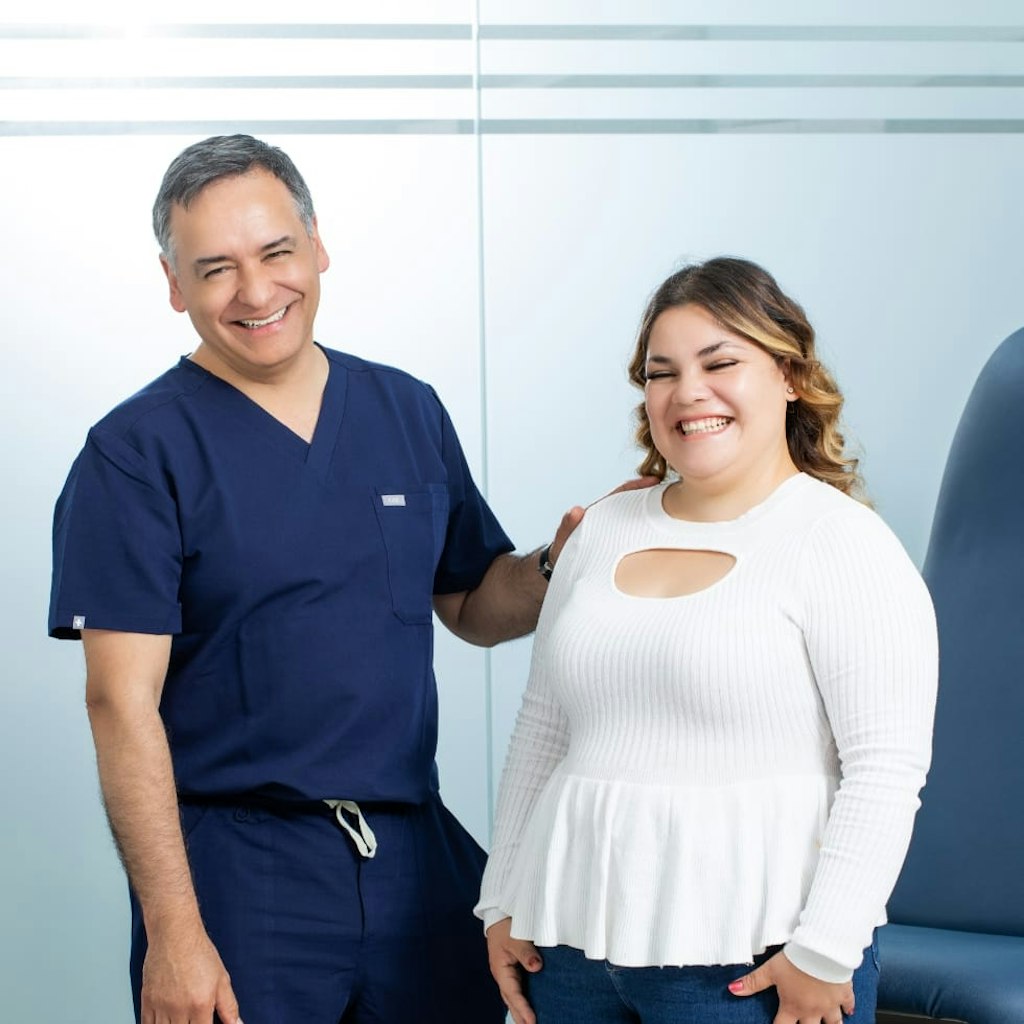



After major weight loss, many patients pursue body contouring to remove excess skin. Hospital Cyntar's partnership with The Ariel Center for Cosmetic Surgery means your weight loss surgeon and your plastic surgeon collaborate on a single, safe plan — improving results and continuity of care.
Meet Our Surgical Team
Dr. Ariel Ortiz, MD, FACS, FASMBS
Medical Director & Director of Bariatric Surgery · Founder & CEO, Hospital Cyntar Tijuana
Dr. Arturo Martínez, MD, FACS, FASMBS
Bariatric Surgeon & Chief of Surgery
Dr. Juan Roberto González Santamaría, FACS
Board-Certified Bariatric & Robotic Surgeon · Global Leader in Robotic Metabolic Surgery
From weight loss surgery to post-weight-loss contouring, here's a plain-language overview of the procedures most US patients ask about.
The most popular weight loss surgery
A vertical sleeve gastrectomy removes roughly 75–80% of the stomach, creating a smaller banana-shaped stomach that limits food intake and reduces hunger hormones.
Best for: BMI 30+ seeking strong, durable weight loss
Gold standard for higher BMI & diabetes
Roux-en-Y gastric bypass creates a small stomach pouch and reroutes the small intestine, combining restriction with reduced absorption. Often recommended for severe reflux or type 2 diabetes.
Best for: Higher BMI, GERD, or metabolic conditions
Incision-free, same-day weight loss
Endoscopic Sleeve Gastroplasty (ESG) reshapes the stomach from the inside using sutures placed through an endoscope — no incisions. It's an outpatient, surgery-free option for patients who don't qualify for or prefer to avoid traditional surgery, with most patients discharged the same day.
Best for: Lower-BMI patients wanting a non-surgical option
Sleeve + magnetic bipartition for diabetes
Sleeve Plus™ combines a gastric sleeve with a magnetic duodeno-ileal bipartition powered by the MagDI™ magnetic compression system. Magnets form a natural connection over several days — no extra staples or sutures — targeting both weight loss and type 2 diabetes control.
Best for: Patients with type 2 diabetes seeking strong metabolic results
Remove excess skin after weight loss
Post-bariatric body contouring (tummy tuck, arm lift, lower body lift) removes loose skin once weight has stabilized — completing the transformation journey safely under one coordinated team.
Best for: Patients 12–18 months post weight loss
Refresh facial volume after slimming
Significant weight loss can age the face. A facelift or facial fat transfer restores definition and youthful contour, available through the Ariel Center for Cosmetic Surgery.
Best for: Facial volume loss after major weight reduction
Explore additional educational resources for specific procedures and treatment decisions.
Review gastric sleeve candidacy, safety, recovery, costs, and long-term considerations.
Explore gastric sleeve educationCompare ESG with medication-based treatment and bariatric surgery.
Explore ESG educationUnderstand options for weight regain, reflux, complications, or inadequate results after previous surgery.
Explore revision educationSome related educational resources share a publishing network. Links are selected based on topic relevance and do not constitute medical recommendations. See our network & editorial disclosure.

Complete a virtual consultation, labs review, and pre-op clearance. Your coordinator confirms dates, lodging, and transport.
Fly into San Diego (SAN). A private driver meets you and handles the short, organized crossing into Tijuana — often via the medical lane.
Stay 2–3 nights in a monitored recovery suite, then rest locally before flying home with a clear follow-up plan.
Real weight loss surgery patients and their results.
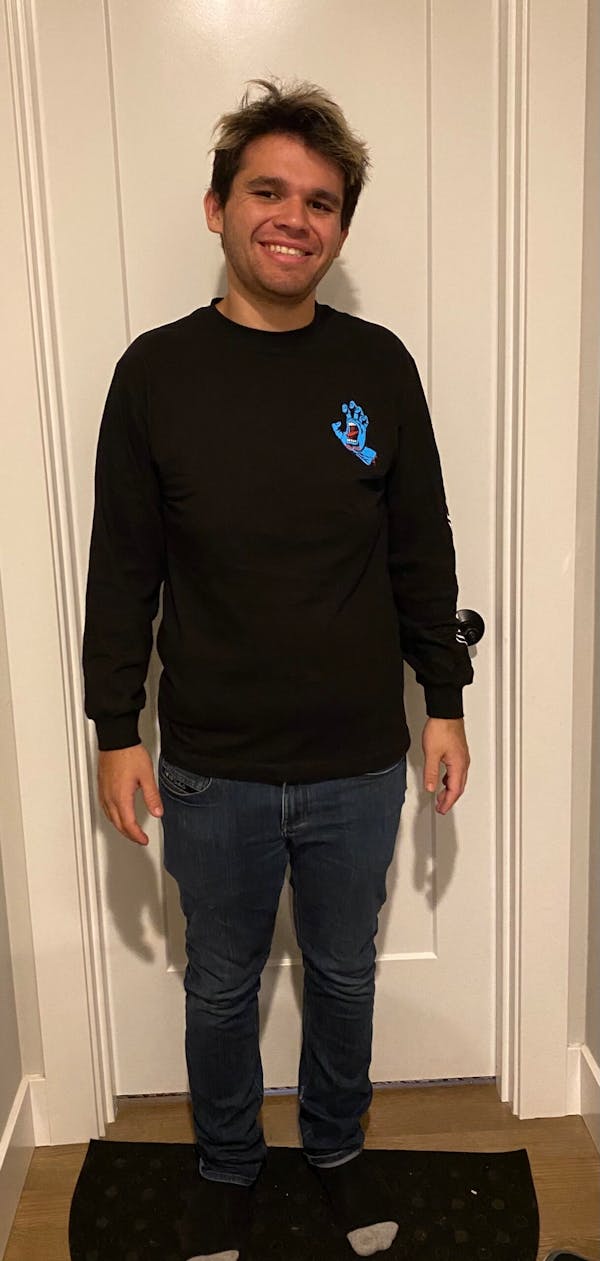 140 lbs lost
We could not find a doctor in the United States who would perform bariatric surgery on a teenager without having to go through years of a special program (and even then, the option to get bariatric surgery was not guaranteed). OCC was so professional, prepared, understanding, and caring and Dr. Ortiz was simply the best.
Michael Strawn
Seattle, WA · Primary
 156 lbs lost
I’ve struggled with my weight since I was about 5 years old. I was 16 when I had my sleeve.
Annabelle Looper
GA · Primary
 130 lbs lost
I am much more confident and healthier. I recommend the surgery to anyone that has trouble losing weight.
Sarah Peters
Primary
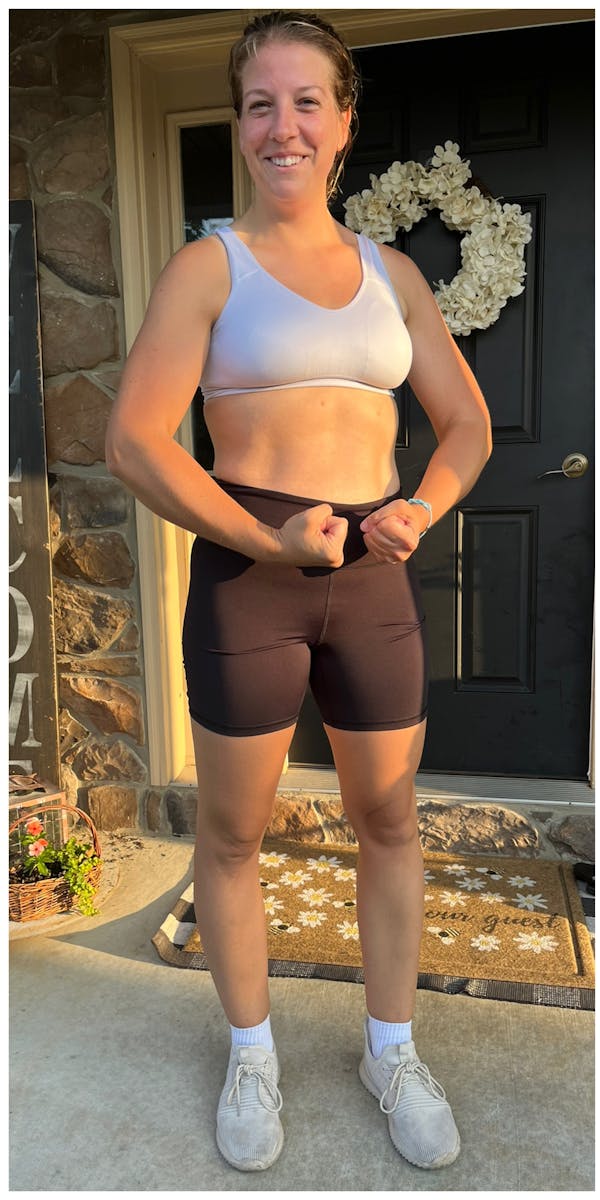 80 lbs lost
I lost 80lbs from the time my pre-op diet started to 6 months later. I haven’t gained or loss since but my body is still changing because it has given me the confidence to work out again and I’m seeing muscle development. I’m doing strength training 3 times a week and running 2 or 3 times a week.
Elisabeth Quiroz
Primary
Results may vary. Testimonials reflect individual patient experiences and are not a guarantee of specific outcomes. Weight loss results depend on each patient's circumstances and commitment to the program.
The educational content on this website is reviewed for medical accuracy, clarity, and patient safety by experienced bariatric and metabolic surgery professionals. The purpose of this review is to help ensure that information about obesity treatment, bariatric surgery, metabolic health, revisional surgery, endoscopic procedures, GLP-1 medications, and long-term follow-up is presented responsibly and without exaggerated claims.
Everything on this site is general education to help you ask better questions and prepare for a consultation. It is not a diagnosis, a treatment recommendation, or a substitute for care from a licensed clinician. Whether any procedure or medication is right for you must be determined by a qualified healthcare professional after an individual evaluation.
Read our Medical DisclaimerBariatric & Metabolic Surgeon
Founder and Director, Obesity Control Center
Dr. Ariel Ortiz Lagardere is a bariatric and metabolic surgeon with extensive experience in minimally invasive weight-loss surgery, metabolic disease treatment, international patient care, and surgical education. Public professional profiles describe him as board-certified in Mexico, a Fellow of the American College of Surgeons, a Fellow of the American Society for Metabolic and Bariatric Surgery, and an SRC-recognized Master Surgeon in Metabolic and Bariatric Surgery.
Verify credentialsBariatric & Metabolic Surgeon
Obesity Control Center
Dr. Arturo Martinez Gamboa has been affiliated with Obesity Control Center since 2001. His publicly available professional biography describes advanced laparoscopic and bariatric training at Hospital Ramón y Cajal in Madrid, Spain. Surgical Review Corporation sources identify him as an SRC-accredited Master Surgeon in Metabolic & Bariatric Surgery and Bariatric Revisional Surgery.
Verify credentialsBariatric & Revisional Surgery Specialist
Ventura, California
Dr. Helmuth Billy is a bariatric surgeon specializing in laparoscopic bariatric surgery, revisional bariatric surgery, and multidisciplinary weight-loss care. Public ASMBS meeting biographies describe him as being in private practice since 1997, actively practicing bariatric surgery since 2000, serving as medical director at two MBSAQIP hospitals, and having a clinical interest in weight regain and revisional surgery.
Verify credentialsAll medical content is periodically reviewed for accuracy, relevance, readability, and consistency with current medical knowledge and accepted bariatric and metabolic surgery principles. Content is intended to support informed decision-making and does not replace consultation with a qualified healthcare professional.
This website provides general educational information only. It does not provide medical advice, diagnosis, treatment recommendations, or guarantees of outcome. Candidacy for any medical, surgical, endoscopic, or medication-based treatment must be determined by a qualified healthcare professional after an individual evaluation.
Last Reviewed: June 2026
Credentials for the facilities discussed on this site can be reviewed directly and confirmed through independent registries. Facility-provided sources are labeled separately from independent verification.
Read the plain-language guide for each procedure before your consultation:
The following authoritative organizations and peer-reviewed sources inform the educational content reviewed on this page:
Ask our AI assistant a quick question, or send your details and a patient coordinator will follow up within one business day.
No obligation. 100% confidential.
Get a free, no-obligation personalized quote from our patient care team. We'll answer your questions and help you compare your options.