Bariatric Revision Surgery From Canada: 2026 Guide
Published June 16, 2026

Bariatric revision surgery from Canada is defined as a secondary weight loss procedure performed on patients whose original bariatric surgery produced insufficient results, caused complications, or led to significant weight regain. Canadian patients face wait times of 2–5 years through the public system, with Ontario averaging 4.2 years and British Columbia averaging 3 years. That delay carries real health consequences. Private revision surgery in Canada costs $18,000–$30,000 CAD, while accredited centers in Mexico offer comparable procedures for $7,700–$12,600 CAD. Understanding your procedural options, safety requirements, and financial tools is the difference between a successful outcome and an expensive mistake.
What are the main bariatric revision procedures for Canadian patients?
Revision bariatric surgery is not a single procedure. It is a category of complex operations, each designed to correct a specific failure from a prior surgery. The most common types include sleeve-to-bypass conversion, gastric band removal with conversion, pouch resizing, and bypass revision for weight regain or severe acid reflux.
The most frequently performed revision is the sleeve-to-bypass conversion. Surgeons convert a gastric sleeve into a Roux-en-Y gastric bypass when patients develop chronic GERD, experience significant weight regain, or show pouch dilation. Gastric band removal is another common revision, often paired with a conversion to sleeve or bypass because the band alone leaves the stomach in poor condition for long-term weight management.
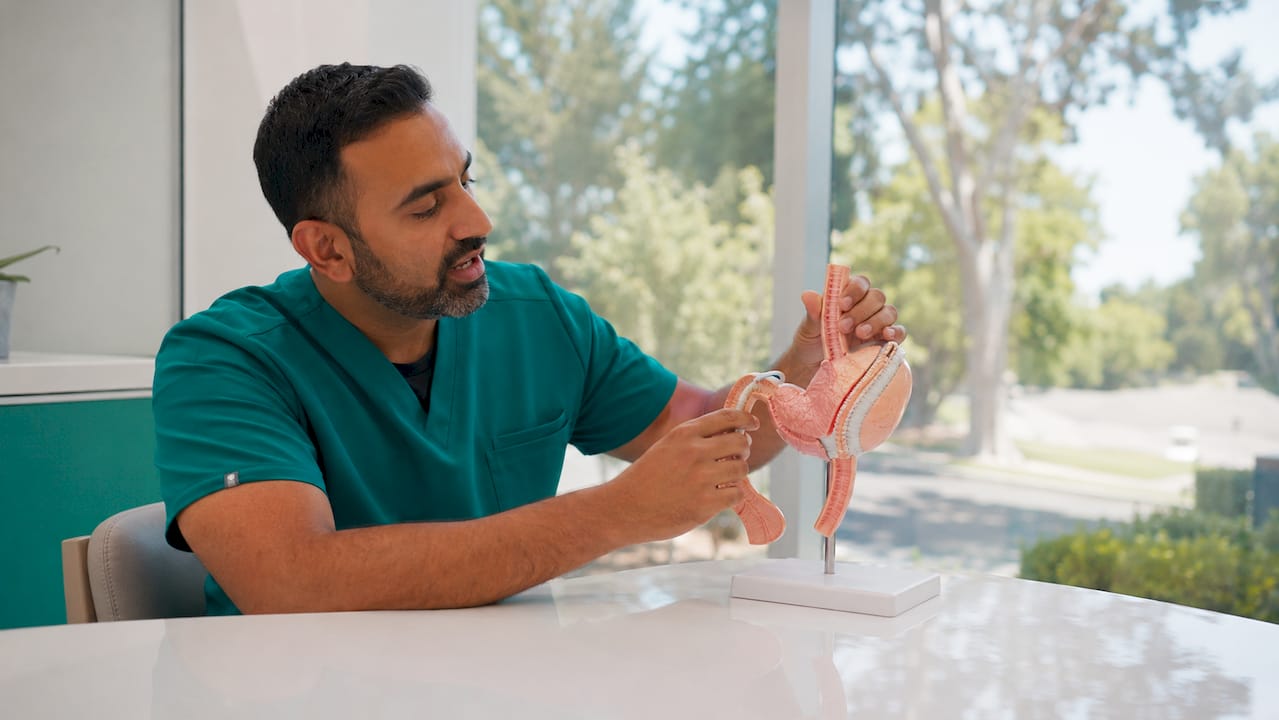
Revision surgery is complex due to scar tissue and altered anatomy from the original procedure. This is not a simple fix. Comprehensive diagnostics are critical for success, including an upper endoscopy (EGD), barium swallow study, and nutritional bloodwork before any surgical plan is finalized.
Common indications that trigger a revision evaluation include:
-
Weight regain of more than 50% of lost body weight
-
Chronic GERD unresponsive to medication after sleeve gastrectomy
-
Pouch or sleeve enlargement confirmed by imaging
-
Band slippage, erosion, or port failure in adjustable gastric band patients
-
Nutritional deficiencies linked to malabsorption complications
Pro Tip: Request a full diagnostic workup, including EGD and swallow study, before committing to any revision plan. Surgeons who skip this step are guessing at your anatomy, not planning for it.
How do Canada vs Mexico bariatric revision costs actually compare?
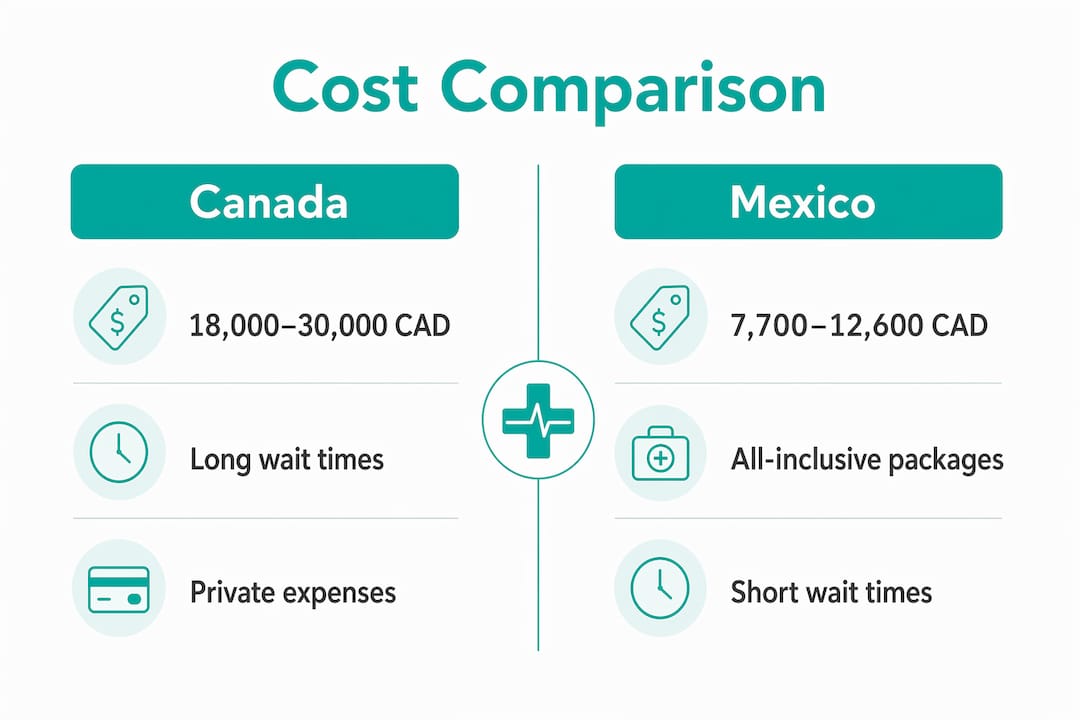
The cost gap between private bariatric revision surgery in Canada and accredited programs in Mexico is significant. Private revision surgery in Canada costs $18,000–$30,000 CAD, while all-inclusive packages in Mexico range from $7,700–$12,600 CAD. That represents savings of up to 70%. For many Canadians, that difference funds months of post-op nutrition support, follow-up care, and travel combined.
The public system offers no financial relief on cost, only on billing. But Canadian public wait times average 2–5 years, while Mexican centers schedule surgeries within 2–4 weeks. Delayed treatment is not a neutral outcome. Prolonged obesity-related conditions like Type 2 diabetes, sleep apnea, and hypertension worsen during those years of waiting.
| Factor | Canada (private) | Mexico (accredited center) |
|---|---|---|
| Revision surgery cost | $18,000–$30,000 CAD | $7,700–$12,600 CAD |
| Wait time | 2–5 years (public) | 2–4 weeks |
| Package inclusions | Surgery only | Surgery, hospital stay, pre-op tests, hotel |
| Accreditation | College of Physicians | JCI, CSG |
| Travel required | No | Yes (Tijuana, 3–5 hours from most Canadian airports) |
Pro Tip: When comparing Mexican packages, ask for a written itemized list of every inclusion. Some quotes exclude anesthesiologist fees, post-op medications, or airport transfers. The lowest number is rarely the full number.
Some Canadians also use the Medical Expense Tax Credit (CRA Line 33099) to partially offset surgery costs abroad. Eligible expenses include surgeon fees, hospital charges, and certain travel costs if the procedure is medically necessary and performed by a licensed practitioner. Consult a Canadian tax professional before filing, since eligibility depends on specific documentation.
What safety and accreditation standards should Canadian patients verify?
Safety in medical tourism is not a matter of faith. It is a matter of documentation. Top Mexican bariatric centers carry 30-day complication rates under 3% and hold JCI (Joint Commission International) or CSG (Consejo de Salubridad General) accreditation. These standards are comparable to those applied to private Canadian surgical facilities.
Surgeons performing revision procedures should complete 200 or more bariatric procedures annually and hold certifications from FACS (Fellow of the American College of Surgeons), ASMBS (American Society for Metabolic and Bariatric Surgery), or IFSO (International Federation for the Surgery of Obesity). Revision surgery demands more from a surgeon than a primary procedure. Altered anatomy and scar tissue from the original operation increase technical difficulty and risk.
Use this checklist before booking any revision program abroad:
-
Hospital accreditation: Confirm JCI or CSG certification directly on the accrediting body’s website
-
Surgeon volume: Ask for documented annual case numbers, specifically for revision procedures
-
Surgeon credentials: Verify FACS, ASMBS, or IFSO membership independently
-
Complication protocol: Ask what happens if you need emergency care during your stay
-
Aftercare plan: Confirm the center offers remote follow-up with your Canadian physician
-
Facility inspection: Request a virtual tour or patient testimonials with verifiable contact details
You can review JCI and CSG accreditation standards in detail to understand exactly what each certification requires of a hospital.
Pro Tip: Avoid any program that cannot provide the surgeon’s name, credentials, and annual case volume in writing before you pay a deposit. Transparency at the inquiry stage predicts transparency in care.
What does the revision surgery process look like for Canadians traveling abroad?
The typical revision surgery itinerary for a Canadian patient traveling to Mexico spans 7–10 days total. Understanding each phase prevents surprises and reduces recovery complications.
Here is the standard sequence most accredited centers follow:
-
Pre-travel consultation (2–4 weeks before): Virtual appointment with the surgical team, submission of medical records, prior operative reports, and diagnostic results
-
Arrival day: Travel to the destination city, check-in to the partner hotel or hospital facility, meet the surgical coordinator
-
Pre-op day: Bloodwork, EKG, anesthesia consultation, and final surgical plan confirmation
-
Surgery day: Procedure performed under general anesthesia, typically lasting 2–4 hours for revision cases
-
Hospital stay: 2–3 nights in hospital with nursing care, IV fluids, and pain management
-
Post-op hotel recovery: 3–4 nights in a partner hotel with daily nursing check-ins
-
Return travel: Cleared by the surgical team before flying; most patients fly home on day 7 or 8
Common recovery mistakes that lead to re-hospitalization include:
-
Returning to solid food too early without dietitian clearance
-
Flying before surgical team approval, which increases clot risk
-
Skipping prescribed blood thinners during travel
-
Failing to arrange follow-up labs with a Canadian physician within 2 weeks of return
Scheduling surgery abroad allows patients to avoid long Canadian public waitlists, but it requires coordinated pre-op and post-op care between the Mexican center and your local provider. Ask your Canadian family physician or specialist to co-manage your recovery before you leave. Most reputable Mexican programs provide a detailed post-op protocol your local doctor can follow.
Pro Tip: Before you travel, schedule a post-op appointment with your Canadian physician for two weeks after your return date. Bring the surgical report and discharge instructions. This single step prevents most avoidable complications.
How can Canadian patients finance and manage the tax side of revision surgery abroad?
Financing revision surgery abroad is more accessible than most patients expect. Several options exist beyond paying the full amount upfront.
Specialized medical lending companies like Medicard and Beautifi operate in Canada and offer loans specifically for elective medical procedures, including bariatric surgery abroad. Interest rates and terms vary, so compare at least two lenders before committing. Some Mexican centers also offer in-house payment plans, typically requiring a deposit of $500–$1,500 CAD to hold a surgical date.
Provincial health plans do not cover elective out-of-country surgery, but selective partial refunds for emergency complications may be available with prior authorization. Do not rely on this as a safety net. It is not guaranteed and requires significant paperwork.
Standard travel insurance excludes bariatric surgery complications. Medical tourism-specific insurance costs $150–$400 and covers emergency evacuation, surgical complications, and extended hospitalization. This is not optional. It is the single most underestimated cost in medical tourism planning.
Keep these documents for CRA and insurance purposes:
-
Itemized surgical invoice from the Mexican hospital, in English or with certified translation
-
Surgeon’s license number and facility accreditation certificate
-
Proof of medical necessity from your Canadian referring physician
-
Receipts for travel costs if claiming under the Medical Expense Tax Credit
-
Post-op medical records for continuity of care and potential insurance claims
Explore bariatric surgery financing options that break costs into manageable weekly payments, which several Tijuana-based programs now offer to Canadian patients directly.
Key takeaways
Bariatric revision surgery from Canada is most safely and affordably pursued by verifying surgeon credentials, securing medical tourism insurance, and choosing JCI-accredited centers in Mexico that offer all-inclusive packages at 50–70% below Canadian private costs.
| Point | Details |
|---|---|
| Cost advantage is real | Mexico all-inclusive packages cost $7,700–$12,600 CAD vs $18,000–$30,000 CAD privately in Canada. |
| Wait times drive decisions | Canadian public wait times of 2–5 years push patients toward Mexico, where surgery schedules in 2–4 weeks. |
| Accreditation is non-negotiable | Only consider centers with JCI or CSG accreditation and surgeons holding FACS, ASMBS, or IFSO credentials. |
| Insurance gap is a real risk | Standard travel insurance excludes bariatric complications; medical tourism-specific coverage costs $150–$400. |
| Tax credits may apply | CRA Line 33099 may offset some costs if surgery is medically necessary and properly documented. |
What I’ve learned watching Canadians navigate revision surgery abroad
I have reviewed hundreds of bariatric cases from Canadian patients over the years, and the pattern is consistent. The patients who do well are not the ones who found the cheapest quote. They are the ones who asked the hardest questions before they booked.
The most common mistake I see is treating accreditation as a checkbox rather than a filter. A hospital can display a logo without current certification. I always tell patients to verify directly on the JCI website, not just accept a PDF from the clinic’s marketing team. That one step has saved patients from serious situations.
The second mistake is underestimating how complex revision surgery is compared to a primary procedure. Surgeons who are excellent at primary sleeve gastrectomy are not automatically qualified for revision work. Scar tissue changes everything. A surgeon doing 200-plus cases per year, with a specific track record in revisions, is a fundamentally different provider than one doing 40 cases per year of mixed procedures.
What I find genuinely encouraging is how much the quality gap between top Mexican centers and Canadian private clinics has narrowed. JCI-accredited facilities in Tijuana now operate with protocols, equipment, and outcomes data that hold up to serious scrutiny. The evaluate a bariatric program framework I recommend covers exactly what to ask and what documentation to demand.
My honest advice: do not let the cost savings be your primary motivation. Let the wait time be your motivation. The savings are real and significant, but the real argument for medical tourism is that two to five years of delayed treatment is not a neutral outcome for your health.
— Ariel
Find trusted revision surgery providers as a Canadian patient
Weightlosssurgeryguide exists specifically to help patients like you cut through the noise and find accredited, transparent bariatric programs. The site compares surgeons, hospitals, and packages across Tijuana’s top centers, with verified accreditation data and real patient outcome information.
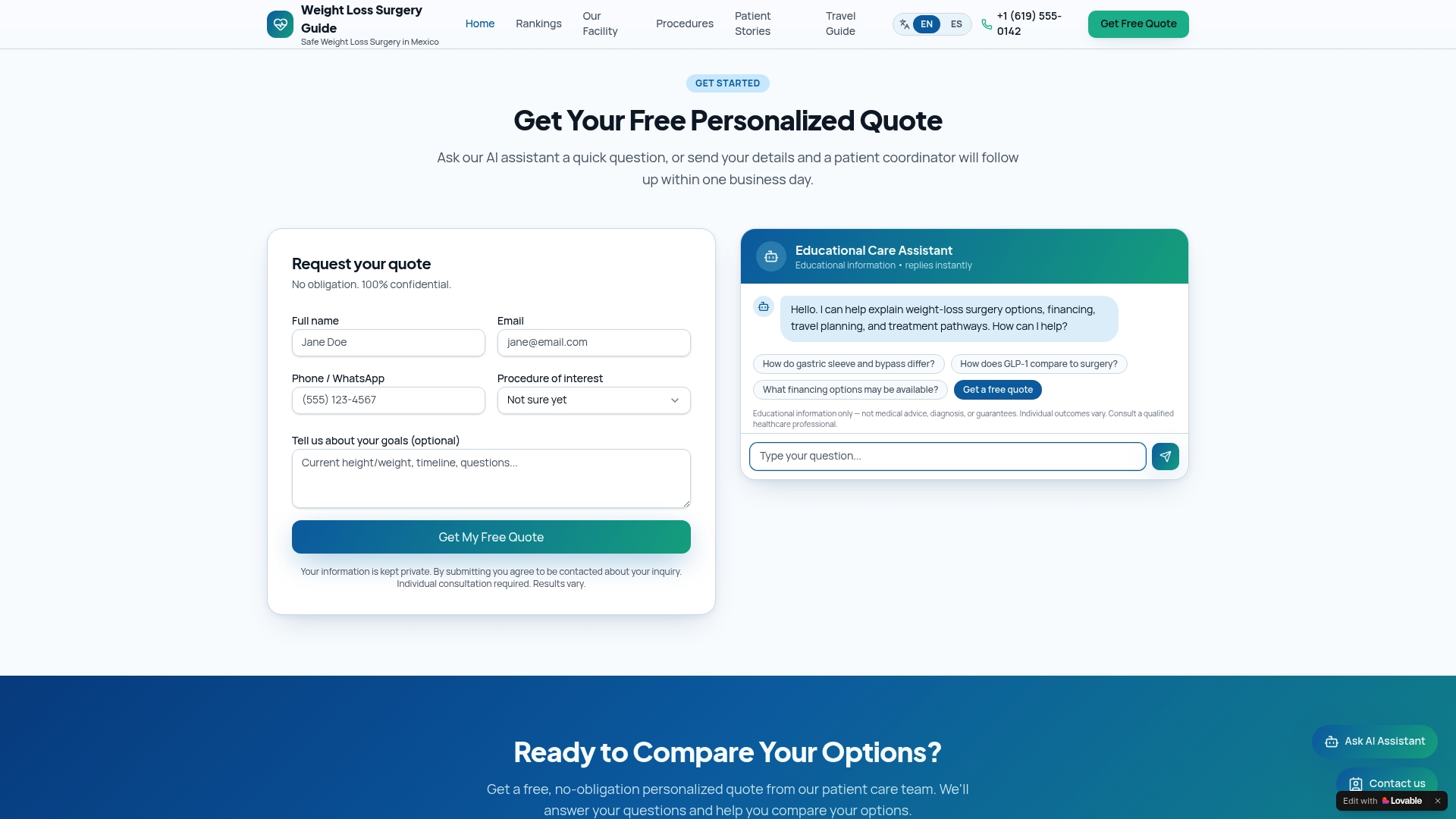
If you are a Canadian patient weighing your revision surgery options, the 2026 Tijuana provider rankings give you a side-by-side comparison of accredited centers, surgeon credentials, and package inclusions. You can also explore the full safe surgery guide for procedure-specific information, financing breakdowns, and a free personalized quote. The goal is to give you the information you need to make a decision you can trust.
FAQ
What is bariatric revision surgery and who needs it?
Bariatric revision surgery corrects or replaces a prior weight loss procedure that produced insufficient results, complications, or significant weight regain. Common candidates include patients with chronic GERD after sleeve gastrectomy, gastric band failure, or pouch enlargement after bypass.
How much does revision surgery cost for Canadians going to Mexico?
All-inclusive revision surgery packages in Mexico range from $7,700–$12,600 CAD, compared to $18,000–$30,000 CAD for private surgery in Canada. The Mexican packages typically include pre-op testing, hospital stay, and post-op hotel recovery.
Is bariatric surgery in Mexico safe for Canadian patients?
Top Mexican bariatric centers hold JCI or CSG accreditation and report 30-day complication rates under 3%, which is comparable to private Canadian surgical facilities. Safety depends on choosing an accredited hospital with a surgeon performing 200-plus procedures annually.
Will my Canadian provincial health plan cover revision surgery abroad?
Provincial health plans do not cover elective out-of-country bariatric surgery. Emergency complication refunds may be available in limited cases with prior authorization, but standard travel insurance also excludes bariatric complications, making medical tourism-specific insurance essential.
Can I claim revision surgery abroad on my Canadian taxes?
Some Canadians use CRA Line 33099, the Medical Expense Tax Credit, to offset costs for bariatric surgery performed abroad by a licensed practitioner. Eligibility requires documentation of medical necessity and itemized receipts, so consult a Canadian tax professional before filing.