Before You Book: Get a Written Pain Plan for Tijuana Bariatric Surgery
Published August 29, 2026
Before You Book: Get a Written Pain Plan for Tijuana Bariatric Surgery
Most patients recover from bariatric or post-bariatric surgery in Tijuana with pain that is moderate, predictable, and controllable without heavy opioid use. The right approach is a multimodal, opioid-sparing pain plan built into an ERAS Society recovery pathway, paired with careful respiratory monitoring for patients with obstructive sleep apnea (OSA). Before you book, ask your Tijuana surgical team directly whether they follow this model.
TL;DR:
- Most patients recover from Tijuana bariatric surgery with manageable, opioid-sparing pain protocols that include regional blocks and scheduled non-opioid medications.
- Pain typically peaks within the first 48 to 72 hours, with incision, gas-related, and movement-triggered discomfort gradually decreasing over six weeks.
- Patients with sleep apnea or high opioid risk require careful respiratory monitoring, extended recovery, and proper documentation of CPAP use and anesthesia plans.
- Early ambulation, breathing exercises, and clear discharge instructions are critical for safe recovery and timely travel home.
- Verifying specific pain management measures, including regional blocks and monitoring protocols, is essential before booking and crossing the border.
Table of Contents
- Dolor Postoperatorio Tijuana: What Pain Actually Feels Like and How Long It Lasts
- How Tijuana Surgical Teams Manage Pain Without Relying on Opioids
- Why Bariatric Patients Face Higher Opioid Risk
- Your Recovery Checklist Before Flying Home
- Warning Signs That Mean Call Your Surgical Team Now
- What Weightlosssurgeryguide Checks Before Recommending a Tijuana Provider
- Why the Travel Logistics Get More Attention Than the Pain Itself
- Get a Personalized Quote and Confirm Your Pain Plan Before You Book
- Sources
Dolor Postoperatorio Tijuana: What Pain Actually Feels Like and How Long It Lasts
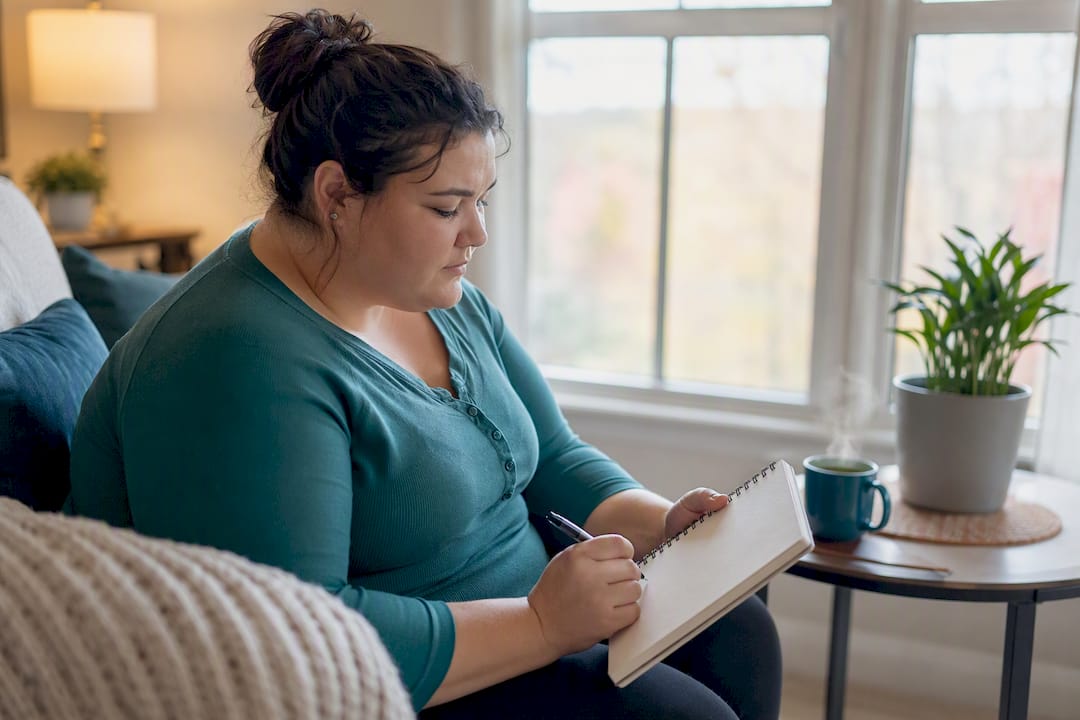
Pain after weight loss surgery does not arrive as one flat sensation. It shifts in character and intensity as tissue heals, and knowing the pattern helps you tell normal recovery from something that needs a call to your surgical team.
The first 48 to 72 hours are usually the hardest. Incision pain is sharpest here, and laparoscopic gas used to inflate the abdomen during surgery often causes referred shoulder tip pain that can feel oddly disconnected from the surgical site. This is common and temporary, not a sign of complication.
- Days 1 to 14: Incision soreness, gas-related discomfort, and pain triggered by movement, coughing, or getting out of bed.
- Weeks 2 to 6: Pain steadily improves, though tenderness during activity or stretching is still normal.
- Weeks 6 to 12: Most surgical pain has resolved. Some patients notice lingering numbness or a mild ache around incision sites, particularly after body-contouring work.
Post-bariatric plastic surgery, such as body contouring after major weight loss, tends to produce longer discomfort than a purely laparoscopic gastric sleeve or bypass. Skin excisions and surgical drains mean more wound-related soreness and a higher chance of seroma, a fluid pocket that can add pressure and pain during the second and third week. That difference matters when you are planning how much recovery time to schedule around a Tijuana trip.
How Tijuana Surgical Teams Manage Pain Without Relying on Opioids
Multimodal analgesia means attacking pain from several angles at once, so no single medication or nerve pathway has to do all the work. It is the standard recommended in Revista Mexicana de Anestesiología's review of bariatric anesthesia, and it is what separates a modern recovery plan from an outdated one built around high-dose narcotics.
A well-run protocol typically includes:
- Scheduled paracetamol (acetaminophen) around the clock, not just as needed
- Short-course NSAIDs when kidney function and bleeding risk allow it, since short-term NSAID use reduces pain scores and improves participation in early mobility work
- A transversus abdominis plane (TAP) block or local wound infiltration to numb the abdominal wall directly
- Opioids reserved strictly as rescue medication for breakthrough pain
During surgery, anesthesiologists often add low-dose ketamine, IV lidocaine infusions, or dexmedetomidine. These adjuncts blunt pain signaling without depressing breathing the way opioids do, and pairing low-dose ketamine with opioid-based pain control lowers total opioid use and improves patient satisfaction when IV analgesia is still needed.
Nonpharmacologic steps matter just as much, including early ambulation which is detailed in this safe walking guide after accident: rebuild mobility. Walking within hours of surgery reduces gas pain and cuts the risk of blood clots and lung complications, according to research on early mobilization after bariatric surgery. Controlling nausea, practicing deep breathing, and positioning yourself with support pillows all reduce the pain you feel from coughing or shifting in bed.

Statistic Callout: Bariatric anesthesia reviews describe opioid-sparing multimodal protocols, built on regional blocks and non-opioid infusions, as the standard recommended approach for reducing both pain scores and adverse events in this patient population.
Pro Tip: Before you fly to Tijuana, ask three specific questions: Which regional block will you use? Which opioids are rescue-only, and how are they dosed? Who monitors my breathing in recovery? Get the answers in writing if you can, not just a verbal reassurance.
The anesthesiologist's role in weight loss surgery extends well past putting you to sleep. They design the entire pain strategy before the first incision is made.
Why Bariatric Patients Face Higher Opioid Risk
Obesity and OSA change how the body handles pain medication, and this is the single most important safety issue in bariatric anesthesia. Opioids suppress the drive to breathe, and patients with undiagnosed or poorly managed sleep apnea are more vulnerable to dangerous drops in oxygen after surgery, a risk clinicians call opioid-induced ventilatory impairment.
Reputable Tijuana hospitals build safeguards around this risk rather than hoping it does not materialize:
- Continuous pulse oximetry and regular respiratory rate checks in recovery
- Extended PACU observation, with capnography monitoring for higher-risk patients
- Rescue-only opioid dosing with naloxone available on the unit
- Longer monitored stays for chronic opioid users or patients with severe OSA, since these patients are rarely appropriate for same-day or ambulatory discharge
If you use a CPAP machine at home or have ever been told you might have sleep apnea, say so before surgery, not after. ASMBS postoperative care pathway guidelines call for CPAP use to continue after gastric bypass when it is indicated, and your Tijuana team needs your CPAP settings and diagnosis documented ahead of your arrival.
Your Recovery Checklist Before Flying Home
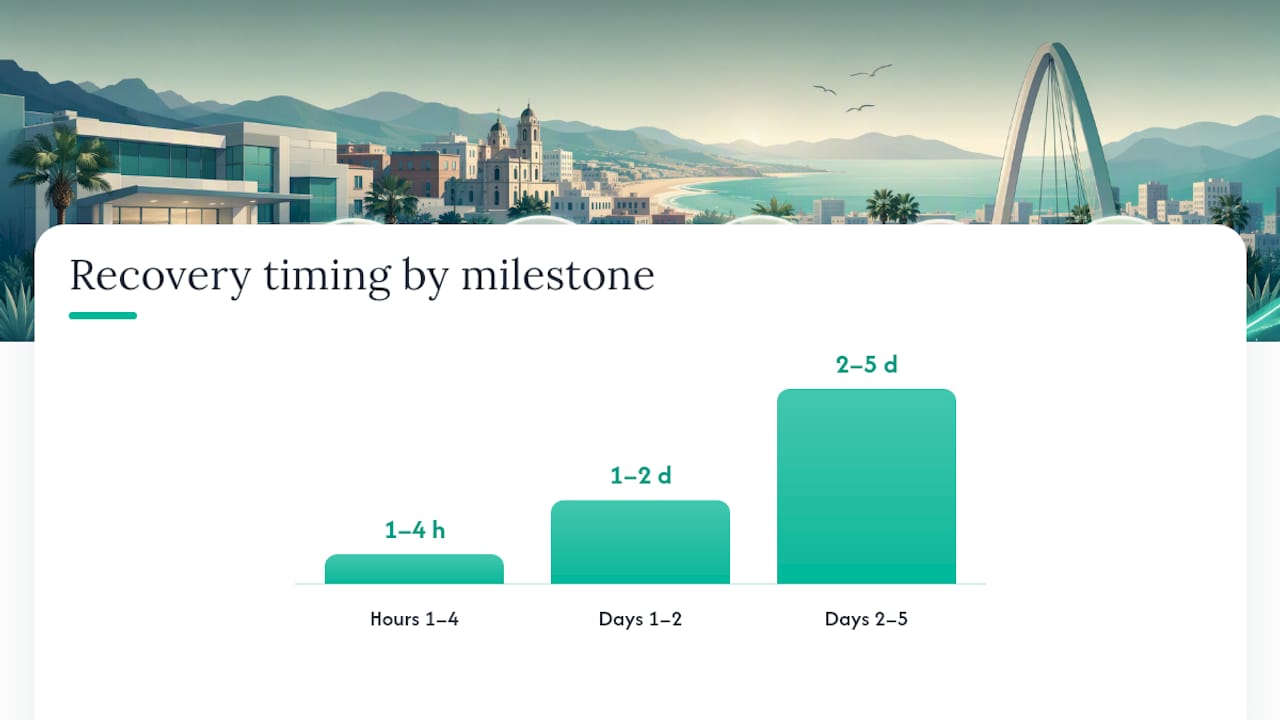
Recovery from bariatric or contouring surgery follows a fairly consistent script, and knowing the milestones helps you gauge whether you are on track to travel home on schedule.
- Hours 1 to 4: Get up and walk with assistance as soon as your team clears you. Early ambulation is one of the most effective ways to cut pulmonary and clotting risk.
- Days 1 to 2: Begin clear liquids per your surgeon's instructions, and practice coughing and deep breathing every hour while awake.
- Days 2 to 5: Watch incisions and drains for excess redness, warmth, or drainage that could signal a seroma or early infection.
- Before departure: Confirm your pain is controlled with oral medication alone, you have no fever, your vitals are stable, and you understand exactly what to do if symptoms return once you are home.
Discharge criteria used in Spanish-language ERAS bariatric protocols tie release directly to pain control and the ability to walk unassisted, not just to the calendar date. Before you leave Tijuana, get a written discharge summary, a list of any prescriptions with generic names (useful for crossing the border and refilling at home), and direct contact numbers for your surgical team.
Pro Tip: Photograph your incision site daily for the first week. A simple photo log makes it much easier to describe changes accurately to your Tijuana team by phone if something looks different.
Warning Signs That Mean Call Your Surgical Team Now
Most recovery discomfort is manageable and expected. A smaller set of symptoms is not, and knowing the difference protects you, especially once you have crossed back into the U.S. or Canada.
- Fever above 101°F (38.3°C)
- Increasing redness, swelling, or drainage from an incision, or any new bleeding
- Pain that scheduled medication is not touching at all
- Sudden shortness of breath, chest pain, or one leg swelling more than the other
- Persistent vomiting that prevents you from keeping fluids or medication down
If any of these appear while you are still in Tijuana, call your surgeon's after-hours line first and go to the hospital emergency department if directed. If symptoms show up after you are already home, go to your local emergency room immediately and call your Tijuana team so they can share your surgical details with the treating physician. Keep your discharge paperwork accessible for exactly this reason. Reviewing common bariatric surgery complications before you travel gives you a clearer baseline for what is routine and what is not.
What Weightlosssurgeryguide Checks Before Recommending a Tijuana Provider
Before featuring any hospital or surgeon, we look for a documented ERAS or multimodal analgesia protocol, an anesthesiology team experienced with regional blocks, a clear CPAP and OSA policy, and monitoring equipment with naloxone on hand. We also confirm the facility provides a written discharge and follow-up plan, since ambiguity here is where cross-border patients run into trouble.
Weightlosssurgeryguide works alongside credentialed partners including Obesity Control Center and CYNTAR, and you can review specific procedure pages for details on what each surgery involves. This article is educational and does not replace a one-on-one consultation with a licensed surgeon or anesthesiologist.
Medically reviewed by the Weightlosssurgeryguide clinical advisory team. Last reviewed: February 2026.
Why the Travel Logistics Get More Attention Than the Pain Itself
The clinical evidence on bariatric pain control is genuinely settled: multimodal, opioid-sparing protocols built on regional blocks and non-opioid infusions work, and the data backing them is strong. What gets underrated is everything around the medicine, the part that decides whether a good pain plan actually reaches you.
A protocol on paper means nothing if nobody confirms your CPAP settings before surgery, or if you fly home without a written plan for what to do if a seroma develops on day nine. Conventional advice tends to stop at "ask about pain management" and leave it there. That is not specific enough. Ask about the block, ask who reads your pulse oximeter overnight, ask what happens if you need care after you have already landed back in Seattle or Toronto.
If you take one thing from this guide, prioritize verification over reassurance. A surgeon telling you "we manage pain well" is not the same as a surgeon describing a named protocol, a specific monitoring standard, and a documented discharge threshold. Ask for the second kind of answer.
— Ariel
Get a Personalized Quote and Confirm Your Pain Plan Before You Book
Weightlosssurgeryguide exists because comparing accredited hospitals from another country is harder than it should be, and pain protocols are exactly the detail that gets glossed over in a sales call. We built a provider directory of accredited Tijuana teams so you can compare anesthesia practices, monitoring standards, and JCI or SRC accreditation status side by side, instead of taking one clinic's word for it.
Before you contact anyone, run their protocol against the ASMBS Medical Tourism Safety Checklist, which covers exactly the monitoring and pain-management questions this article walks through. If a hospital cannot answer them clearly, that tells you something. When you are ready, request a personalized quote through our directory and ask your matched team to confirm their anesthesia and pain plan in writing before you book your flight to Tijuana.
Sources
This guide draws on the ASMBS care pathway guidelines, ERAS Society recommendations, and Mexican anesthesiology literature. See our full evidence library for additional references.
This article is general information, not a substitute for advice from a qualified doctor. Consult a qualified healthcare professional about your own circumstances before acting on anything here.
- Revista Mexicana de Anestesiología — multimodal analgesia recommendations (Scielo.mx)
- Perioperative pain management in bariatric anesthesia (PMC review)