Crossing the Border for Bariatric Surgery: 2026 Guide
Published July 12, 2026
Crossing the Border for Bariatric Surgery: 2026 Guide
Crossing the border for bariatric surgery is defined as traveling from the United States or Canada to another country, most commonly Mexico, to receive weight loss surgery at a fraction of domestic costs while meeting internationally recognized safety standards. Patients who choose this path can save 60–75% compared to US hospital pricing, without sacrificing care quality when they select facilities holding Joint Commission International (JCI) accreditation. The process requires careful planning across three areas: legal entry documentation, surgical provider vetting, and pre- and post-operative coordination. Weightlosssurgeryguide evaluates accredited hospitals and surgeons in Tijuana specifically for US and Canadian patients navigating this process.
Medically reviewed by the Weightlosssurgeryguide editorial team. Last reviewed: january 2026.
This article is for educational purposes only and does not constitute medical advice. Consult a licensed physician before making any surgical decisions.
What documents do you need when crossing the border for bariatric surgery?
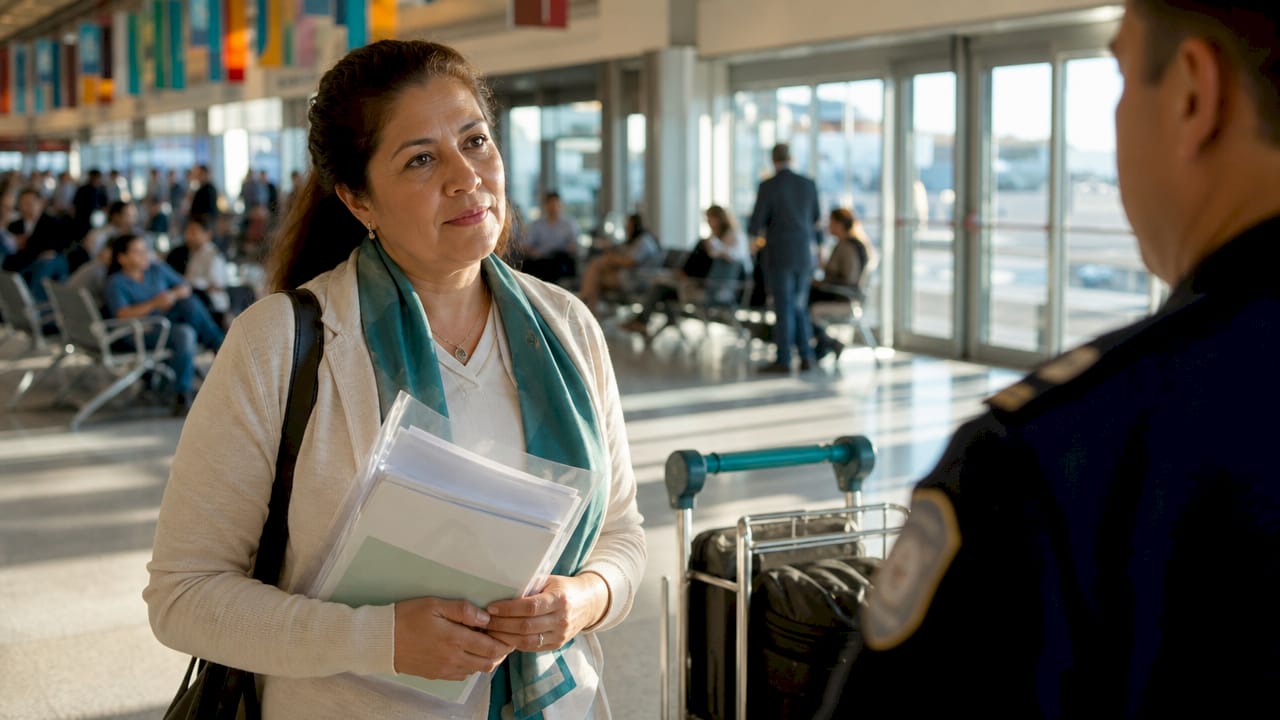
The single most common reason patients face delays at the border is incomplete documentation. Getting this right before you leave home removes one major source of stress from an already demanding process.
Passport and ID requirements
A valid US or Canadian passport is the most reliable document for international surgery travel. Some land border crossings between the US and Mexico accept a passport card, a Real ID, or a standard enhanced driver's license, but a full passport book is strongly recommended for medical travel. Birth certificates combined with a government-issued photo ID may be accepted at certain land ports of entry, but this combination creates unnecessary risk if a border officer requires additional verification.
- Passport: Carry a passport valid for at least six months beyond your travel dates.
- Real ID or enhanced driver's license: Acceptable at some US-Mexico land crossings, but not for air travel or Canadian border crossings.
- Visa requirements: US and Canadian citizens do not require a visa to enter Mexico for stays under 180 days. Mexican nationals traveling to Canada or the US for surgery should verify current visa requirements well in advance.
- Proof of appointment: Carry a letter from your surgical facility confirming your procedure date. Border officers occasionally ask about the purpose of travel.
- Travel health insurance: Bring documentation of any travel health policy covering medical emergencies abroad.
- COVID and vaccine records: As of 2026, neither Mexico nor the US requires proof of COVID vaccination for land or air entry, but check the CDC and official government travel advisories within 30 days of your trip.
Pro Tip: Cross at a major port of entry during off-peak hours, typically early morning on weekdays, to minimize wait times before your pre-op appointments.
How do you identify safe, accredited bariatric surgery facilities abroad?
Accreditation is the clearest signal that a facility meets clinical standards comparable to North American hospitals. JCI-accredited institutions follow standardized clinical protocols and maintain full intensive-care backup if complications arise. That matters because complications from bariatric surgery, while uncommon at quality centers, require immediate access to advanced equipment and trained staff.

Understanding the main accreditation types
Three accreditation bodies carry the most weight for bariatric patients traveling internationally.
- Joint Commission International (JCI): The gold standard for international hospital accreditation. JCI evaluates patient safety, infection control, surgical protocols, and staff qualifications.
- Surgical Review Corporation (SRC): Specifically designed for bariatric programs. SRC certification signals that a center meets bariatric-specific volume, outcome, and safety benchmarks.
- ISO certification: Covers quality management systems within a facility. ISO alone is not sufficient for surgical safety evaluation, but it indicates organized administrative and clinical processes.
Choosing facilities with JCI or equivalent accreditation assures adherence to safety protocols comparable to North American hospitals. This is not a marketing claim. It means the facility has passed an independent audit of its surgical suites, staffing ratios, emergency protocols, and patient records systems.
How to verify a clinic's credentials
Do not rely on a clinic's own website to confirm accreditation. Visit the JCI directory at jointcommissioninternational.org and search the facility by name. For SRC, use the Surgical Review Corporation's public registry. Ask the clinic directly for the accreditation certificate number and expiration date. Weightlosssurgeryguide publishes verified provider rankings for Tijuana facilities, which include accreditation status and surgeon credential checks.
Pro Tip: Ask your surgical coordinator for the operating surgeon's board certification number and verify it through the Consejo Mexicano de Cirugía General or the equivalent national medical board.
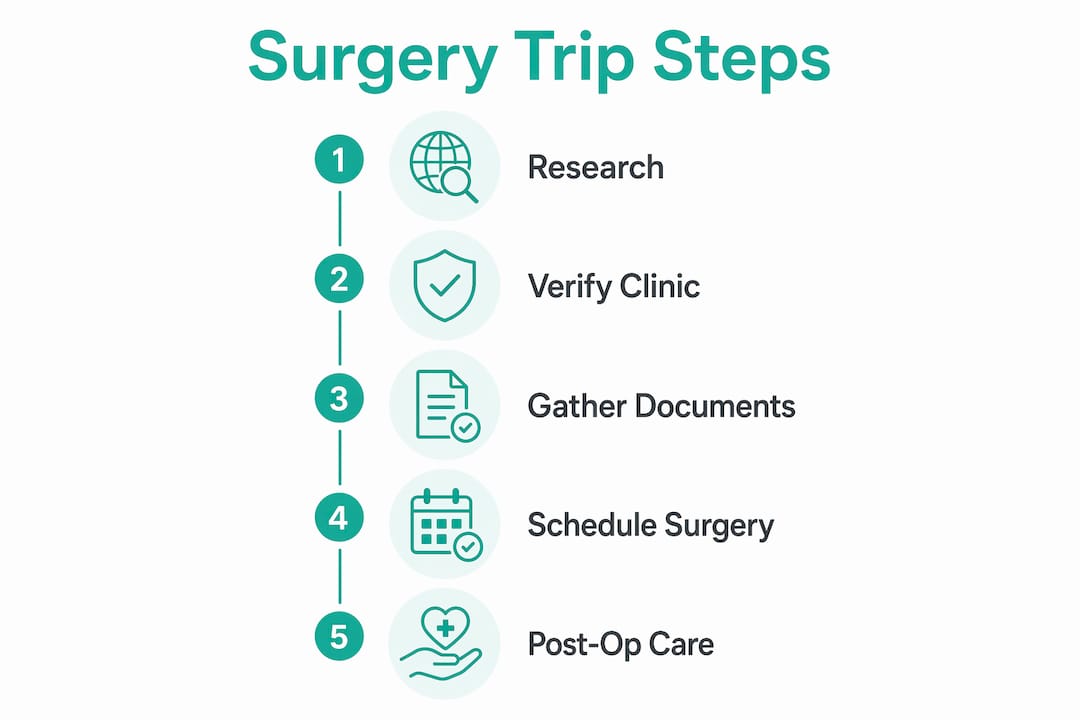
Step-by-step guide to planning your bariatric surgery trip abroad
Logistics failures cause more avoidable stress than almost any other factor in medical tourism. A clear timeline prevents most of them.
-
Book your surgical consultation first. Confirm your procedure type, surgeon credentials, and facility accreditation before purchasing any flights. Direct flights from major US cities to Mexican bariatric hubs minimize travel stress before surgery. Nonstop routes from Los Angeles, San Diego, Phoenix, and Dallas to Tijuana or Mexico City are widely available.
-
Arrange accommodation close to the hospital. Most accredited bariatric centers in Tijuana work with partner hotels within a short drive of the facility. Staying nearby reduces transfer time on surgery day and simplifies early recovery logistics.
-
Confirm airport pickup and transport. Coordinated transport typically includes airport pickup, hotel check-in, and pre-op lab work at the destination, all arranged through the surgical coordinator. Confirm these details in writing at least two weeks before travel.
-
Complete pre-op testing at the destination. Most facilities require blood panels, an EKG, and a nutritional assessment on arrival, usually the day before surgery. Bring any prior medical records, including your primary care physician's clearance letter.
-
Prepare for hospital admission. Admission typically happens the morning of surgery. Bring your passport, insurance documents, and a list of all current medications. Avoid eating or drinking after midnight the night before, as instructed by your surgical team.
-
Plan your recovery stay. Most patients remain in Mexico for 3–5 days post-surgery before returning home. Use this time to complete follow-up checks with the surgical team and confirm your discharge instructions in writing.
-
Arrange return travel carefully. Book a flexible return ticket. Recovery timelines vary, and you want the option to extend your stay if your surgeon recommends it.
What are the health and safety considerations for bariatric patients crossing the border?
Safety in bariatric medical tourism depends on pre-approval by licensed surgeons, international hospital accreditation, and clear aftercare ownership. Each of these three factors requires active effort from the patient, not just the provider.
Pre-operative evaluations are non-negotiable. Successful bariatric surgery abroad depends more on thorough pre-operative psychological and nutritional evaluation than on the surgical technique alone. Preparation involves endocrinology, nutrition, diet, and psychological support, all of which are essential for durable weight loss results. Skipping or rushing these evaluations to save time is the most common mistake patients make.
Early movement after surgery protects your health. Early ambulation after bariatric surgery significantly lowers the risk of blood clots and speeds digestive recovery. Patients are encouraged to walk within hours of surgery to reduce venous thromboembolism incidence. Your nursing team will guide you through this, but expect it to feel uncomfortable at first.
Avoid flying too soon. Flying too soon after surgery increases the risk of deep vein thrombosis. Experts advise waiting at least six weeks before long-haul flights post-surgery to minimize clotting risks. For patients crossing by land from Tijuana, shorter car rides home are generally safer in the first week than air travel.
Tell your home doctor before you leave. Patients must inform their domestic physicians about planned bariatric surgery abroad for safe follow-up care, as complications most often occur within 14 days post-op. Local providers need to understand post-op dietary and nutritional protocols to manage urgent complications effectively.
Urgent complications such as leaks and severe dehydration are most frequent in the first 14 days post-op. Coordinated local physician follow-up is critical to timely intervention. Do not wait for symptoms to worsen before contacting your home provider.
Warning signs that require immediate care:
- Fever above 101°F
- Persistent vomiting or inability to keep liquids down
- Chest pain or shortness of breath
- Redness, swelling, or pain in the legs
- Wound drainage or unusual odor at the incision site
Common mistakes when crossing the border for bariatric surgery
Medical tourists often require complex treatment for complications post bariatric surgery overseas, leading to long hospital stays and high healthcare costs. Complications include bleeding, infection, and surgical revisions, which emphasizes the importance of choosing accredited centers and planning post-op care before you travel.
The most frequent mistakes fall into four categories:
- Incomplete documentation: Missing or expired passports, no proof of appointment, and no travel insurance create border delays and coverage gaps. Prepare a physical folder with copies of every document.
- Choosing non-accredited facilities: Price alone is not a reliable indicator of quality. A facility charging significantly less than accredited competitors may be cutting corners on staffing, sterilization, or emergency protocols. Always verify JCI or SRC status independently.
- Underestimating aftercare: The primary misconception among medical tourists is that surgery is a quick fix. The most critical factor for success is thorough pre-surgical evaluations and a lifelong commitment to aftercare. Patients who return home without a follow-up plan face higher complication rates.
- Poor travel timing: Booking a return flight for the day after surgery is dangerous. Build at least 3–5 recovery days into your trip before any travel home.
Pro Tip: Use the ASMBS medical tourism safety checklist before finalizing any provider. It covers surgeon credentials, facility standards, and aftercare requirements in one structured document.
Key takeaways
Crossing the border for bariatric surgery is safe and affordable when patients choose JCI-accredited facilities, complete thorough pre-operative evaluations, and coordinate follow-up care with their home physician before traveling.
| Point | Details |
|---|---|
| Accreditation is mandatory | Verify JCI or SRC status independently before committing to any facility. |
| Documentation prevents delays | Carry a valid passport, proof of appointment, and travel health insurance. |
| Pre-op evaluation drives outcomes | Psychological and nutritional assessments matter more than surgical technique alone. |
| Early ambulation reduces clot risk | Walk within hours of surgery to lower venous thromboembolism risk. |
| Home physician coordination is critical | Inform your local doctor before travel; most complications appear within 14 days post-op. |
What I've learned from watching patients cross the border for surgery
I've spent years reviewing bariatric programs in Mexico, and the pattern I see most often is this: patients who do the work before they travel have dramatically better outcomes than those who treat the trip like a quick errand. The cost savings are real. Saving 60–75% on a procedure that costs $25,000–$35,000 in the US is life-changing for many families. But the savings only hold if you don't end up back in a US emergency room two weeks later.
The patients who struggle are almost always the ones who skipped the pre-op psychological evaluation, chose a facility based on price alone, or flew home 48 hours after surgery. The patients who thrive are the ones who treated this like a medical event, not a vacation with a side procedure.
My honest advice: spend as much time vetting your surgeon and facility as you spend comparing flight prices. Check the surgeon's credentials directly. Ask your coordinator for the accreditation certificate number. Call your primary care doctor before you book anything and make sure they are willing to manage your follow-up. These steps take a few hours. They can prevent months of complications.
The border is not the barrier. Preparation is the barrier. Clear it, and the surgery itself is the straightforward part.
— Ariel
How Weightlosssurgeryguide helps you plan a safe bariatric surgery trip
Weightlosssurgeryguide was built specifically for US and Canadian patients who want verified, unbiased information about bariatric surgery in Mexico. Every clinic in the 2026 Tijuana provider rankings has been evaluated for JCI or SRC accreditation, surgeon credentials, and patient outcome transparency.
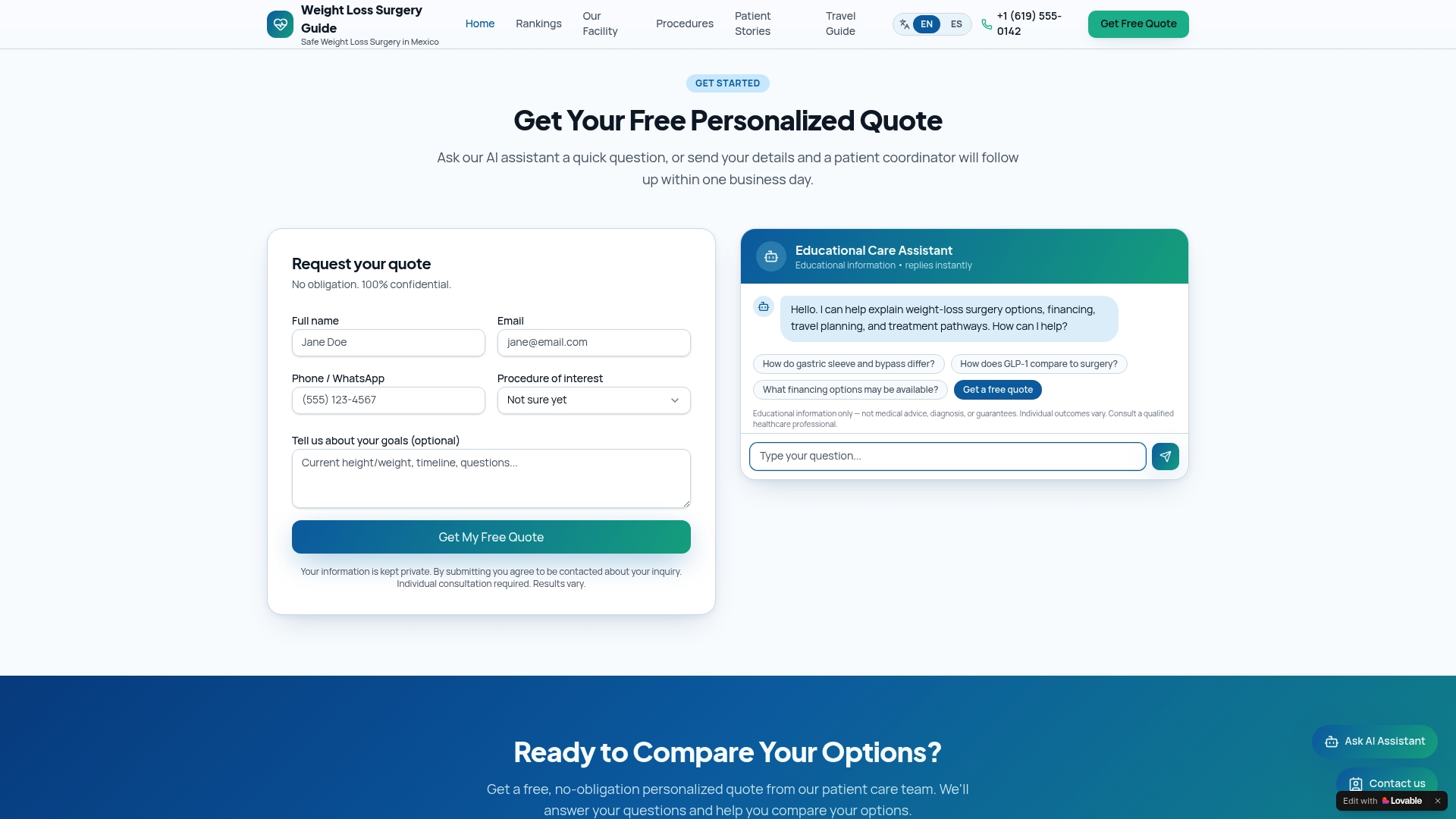
The site includes procedure guides for gastric bypass and other weight loss surgeries, a full accreditation explainer, and the ASMBS-aligned medical tourism safety checklist that covers every step from documentation to post-op follow-up. If you are ready to compare accredited providers and get a personalized quote, Weightlosssurgeryguide gives you the verified information to make that decision with confidence.
FAQ
What documents do I need to cross into Mexico for bariatric surgery?
A valid US or Canadian passport is strongly recommended. Some land crossings accept a Real ID or enhanced driver's license, but a passport book is the most reliable option for medical travel.
Is bariatric surgery in Mexico safe for US patients?
Surgery at JCI-accredited or SRC-certified facilities in Mexico meets clinical safety standards comparable to North American hospitals. Safety depends on choosing an accredited center and completing all required pre-operative evaluations.
How soon can I fly home after bariatric surgery abroad?
Experts advise waiting at least six weeks before long-haul flights after bariatric surgery to reduce the risk of deep vein thrombosis. Patients crossing by land from Tijuana can typically travel home within 3–5 days with surgeon approval.
Do I need to tell my home doctor about surgery abroad?
Yes. Complications most often occur within the first 14 days post-op, and your local physician needs to understand post-operative dietary and nutritional protocols to manage any urgent issues effectively.
How do I verify that a bariatric clinic abroad is accredited?
Search the JCI public directory at jointcommissioninternational.org or the SRC registry by facility name. Weightlosssurgeryguide also publishes independently verified accreditation status for Tijuana providers in its rankings database.
This article is for educational purposes only. It does not replace personalized medical advice from a licensed physician. Always consult a qualified healthcare provider before making surgical decisions.
Sources: Joint Commission International; Surgical Review Corporation; CDC Travel Health; PMC/NCBI; RNZ Health; Acibadem International; USA.gov.
Recommended
- Bariatric Travel Guide for US Patients | Tijuana, Mexico
- Bariatric Surgery Consultation Checklist: 2026 Guide | Weight Loss Surgery Guide
- Weight Loss Surgery Checklist for Americans: 2026 Guide | Weight Loss Surgery Guide
- Bariatric Revision Surgery From Canada: 2026 Guide | Weight Loss Surgery Guide