Canadian Diet Requirements Before Surgery: 2026 Guide
Published July 21, 2026

Canadian Diet Requirements Before Surgery: 2026 Guide
Most Canadian surgical patients need to stop solid foods several hours before their procedure, limit dairy and heavy meals to the same window, and can drink clear liquids until 2 hours before surgery. Beyond fasting, pre-operative diet guidelines in Canada call for four daily meals each with a moderate amount of protein, starting a few weeks before your scheduled date.
Here is the quick-reference version of what you need to know:
- Solid foods and dairy: Stop eating at least 6–8 hours before your scheduled arrival time
- Clear liquids: Water, black coffee, plain tea, apple juice, and clear broth are permitted until 2 hours before surgery
- Protein target: Aim for 25–30 grams per meal, four meals daily, for the 2–4 weeks leading up to surgery
- Prohibited during fasting: Milk, cream, yogurt, citrus juices, juices with pulp, alcohol, and any solid food
- GLP-1 medications (e.g., Ozempic, Wegovy): Stop the medication one week before surgery and follow a 24-hour clear-liquid-only fast
- Diabetic and chronic-condition patients: Consult your care team for individualized fasting and medication management before making any changes
- Supplements: Discontinue herbal and nutritional supplements 14 days before surgery; calcium, iron, and vitamin D are generally safe to continue
Always follow the specific instructions your surgeon or anesthesiologist provides. These guidelines reflect current Canadian clinical standards but do not replace personalized medical advice.
Why nutrition before surgery matters more than most patients realize
Good nutrition going into surgery is not just about feeling strong. It directly affects how your body handles anesthesia, fights infection, and repairs tissue afterward.
Malnutrition affects roughly 45% of surgical patients at the time of admission. That is not a fringe statistic. It means nearly half of people walking into an operating room are already at a disadvantage, facing higher rates of complications, longer hospital stays, and greater risk of re-hospitalization. Proactive nutrition work in the weeks before surgery, what clinicians call prehabilitation, can meaningfully reduce those risks.
Here is what adequate pre-surgery nutrition actually does for you:
- Supports immune function: Protein and micronutrients fuel the white blood cells your body needs to prevent post-operative infection
- Preserves muscle mass: Surgery and anesthesia both trigger muscle breakdown; entering with strong protein stores slows that process
- Speeds wound healing: Collagen synthesis, the process that closes incisions, depends heavily on protein, vitamin C, and zinc
- Reduces fatigue: Iron and B vitamins maintain oxygen-carrying capacity, which affects how quickly you bounce back
- Lowers complication risk: Well-nourished patients generally experience fewer surgical complications and shorter recovery times
"Food serves as medicine before surgery. Nutrition interventions are especially critical for patients with reduced appetite or unexplained weight loss, where the gap between what the body needs and what it is getting can directly affect surgical outcomes." — Clinical perspective on pre-operative nutrition
The window between your surgery date and now is genuinely useful. Even two to four weeks of focused dietary effort can shift your nutritional status in ways that show up in the recovery room.
What to eat before surgery: recommended foods and nutrients
The pre-operative diet for Canadian patients is not about eating less. It is about eating strategically, with protein as the anchor and micronutrients filling the gaps.

Protein
Protein is the single most important nutrient in your pre-surgery diet. Your body uses it to repair tissue, produce enzymes, and maintain immune defenses. Four daily meals each containing 25–30 grams of protein is the target most Canadian prehabilitation programs recommend. If whole food intake falls short, protein supplements providing at least 10 grams per serving can fill the gap.
Strong protein sources include:
- Animal-based: Chicken breast, turkey, eggs, canned tuna, salmon, Greek yogurt, cottage cheese
- Plant-based: Lentils, chickpeas, black beans, tofu, edamame, tempeh, hemp seeds
Iron and omega-3 fatty acids
Iron keeps your blood carrying oxygen efficiently, which matters both during surgery and in recovery. Fatty fish like salmon and mackerel, along with seeds like flaxseed and chia, are primary sources of omega-3 fatty acids that reduce inflammation and support vascular health. Red meat, spinach, lentils, and fortified cereals cover iron needs well.

Colorful fruits and vegetables
Vitamins A, C, and E all play roles in immune function and tissue repair. Berries, citrus, bell peppers, leafy greens, sweet potatoes, and carrots deliver a broad spectrum of antioxidants without adding much caloric load.
Whole grains
Brown rice, oats, quinoa, and whole wheat bread provide steady energy and B vitamins. They also help maintain digestive regularity, which matters when your eating schedule shifts in the days before surgery.
Pro Tip: Build each meal around a protein anchor first, then add vegetables and a small portion of whole grains. This structure makes it easier to hit your protein target without overeating, and it keeps energy levels stable throughout the day.
Foods and drinks to avoid before surgery
Some foods create direct safety risks under anesthesia. Others simply undermine the nutritional work you are doing in the weeks before your procedure.
High-fat and fried foods
Fatty and fried meals take significantly longer to leave the stomach. A meal high in fat can still be sitting in your digestive tract well past the standard 6-hour fasting window, raising aspiration risk during anesthesia. Avoid fast food, fried chicken, heavy sauces, and full-fat cheese in the days leading up to surgery, and cut them entirely once fasting begins.
Dairy during the fasting period
Milk, cream, yogurt, and dairy-based drinks behave like semi-solids in the stomach. Coffee with cream acts like a solid food and is prohibited once fasting begins. This catches many patients off guard. Black coffee is fine until 2 hours before surgery; any dairy addition changes that entirely.
Alcohol
Alcohol affects liver function, blood clotting, and anesthesia metabolism. Most surgical teams ask patients to stop drinking at least 24–48 hours before surgery, and ideally longer. Chronic alcohol use can significantly alter how your body processes anesthetic agents.
Sugary processed foods
Candy, pastries, sweetened beverages, and ultra-processed snacks spike blood sugar and provide no useful nutrients. For patients with diabetes or insulin resistance, these foods make blood sugar management before surgery considerably harder.
Caffeine in excess
Moderate caffeine is not prohibited before surgery, but heavy caffeine intake can cause dehydration and suppress appetite, both of which work against your nutritional goals in the pre-operative weeks. During the fasting period itself, black coffee and plain tea remain on the permitted list.
Pre-surgery fasting guidelines and timing
Fasting before surgery is not arbitrary. The primary goal is preventing pulmonary aspiration, which occurs when stomach contents reflux into the lungs during anesthesia. Anesthesia removes your normal airway reflexes, so an empty stomach is a genuine safety requirement, not a formality.
Standard fasting windows
| Food or liquid type | Stop consuming |
|---|---|
| Regular solid foods (full meals) | 8 hours before scheduled arrival |
| Light solid foods (toast, oatmeal) | 6 hours before scheduled arrival |
| Dairy and dairy-containing drinks | 6 hours before scheduled arrival |
| Clear liquids | 2–3 hours before scheduled arrival |
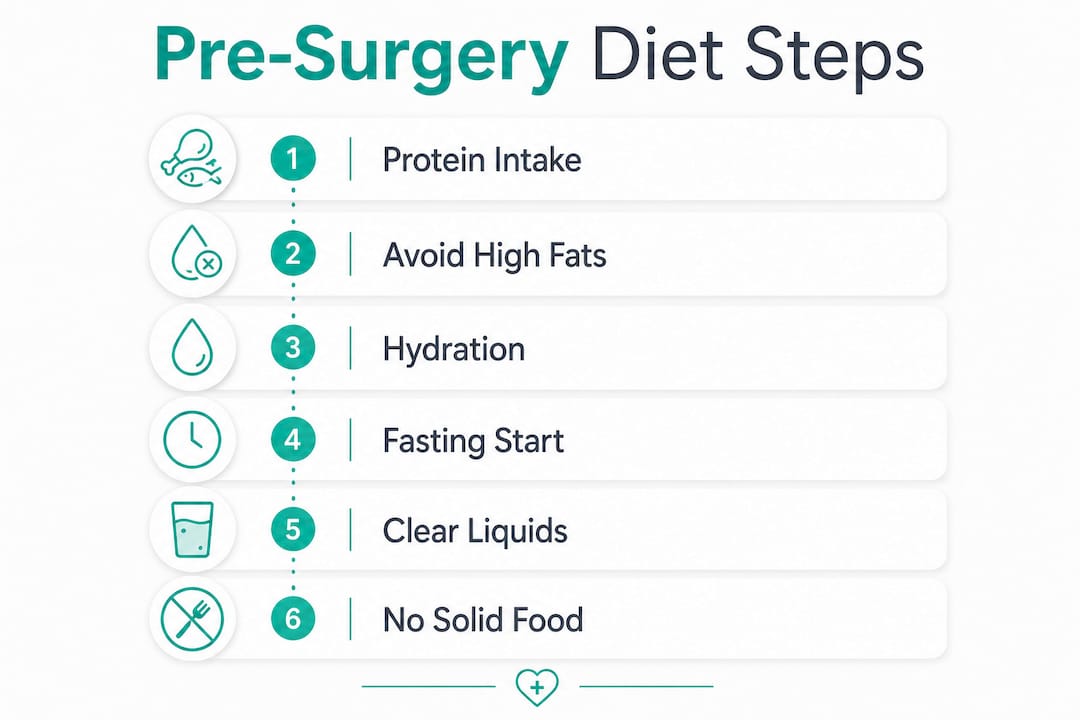
Standard fasting rules require stopping solid food and dairy several hours before surgery, with clear liquids permitted until 2–3 hours prior. Verify the exact timing with your surgical team, as protocols can vary by procedure and facility.
What counts as a clear liquid?
Permitted clear liquids during the fasting period include:
- Water
- Black coffee (no milk, cream, or sugar substitutes with dairy)
- Plain tea (no milk)
- Apple, cranberry, or grape juice (no pulp)
- Clear broth
- Ginger ale or plain seltzer
- Gelatin (Jell-O) without fruit pieces
Hydration maintained by allowing clear fluids until 2 hours before surgery improves both comfort and safety in the perioperative period. Anesthesiologists actively encourage patients to keep drinking clear liquids up to that cutoff, not just tolerate it.
What happens if you do not fast properly?
Non-compliance with fasting guidelines can result in your procedure being delayed or canceled entirely. If you arrive and your fasting window is unclear, a gastric ultrasound can assess whether your stomach is empty. This point-of-care tool helps the surgical team make a safe call without automatically rescheduling you.
When and how to start your pre-operative dietary preparation
The earlier you start, the more your body can benefit. Two to four weeks of focused nutritional effort before surgery gives your tissues time to build protein stores and correct any micronutrient deficiencies.
A practical pre-surgery nutrition timeline
- 4 weeks out: Begin tracking protein intake and identify gaps. Aim for 25–30 grams per meal across four meals daily. Add iron-rich and omega-3-rich foods to your regular rotation.
- 2–3 weeks out: Shift from three large meals to 5–6 smaller, protein-rich meals daily. Smaller portions improve absorption and make it easier to hit your protein target without feeling overfull.
- 1–2 weeks out: Increase water intake to at least 8 cups per day. Cut alcohol, reduce processed foods, and stop herbal supplements. If you are on a GLP-1 medication, this is when you stop it.
- Night before surgery: Drink 20–24 oz of permitted clear fluids before midnight. Stop all solid food at midnight.
- Morning of surgery: Clear liquids only. Stop drinking 2–3 hours before your scheduled arrival time.
Hydration
Staying well hydrated in the days before surgery supports circulation, kidney function, and anesthesia tolerance. Water is the best choice. Sports drinks like Gatorade are acceptable clear liquids during the fasting period itself, but in the weeks before surgery, plain water and low-sugar options are preferable.
Pro Tip: If appetite loss or nausea is making it hard to eat enough protein, Greek yogurt, cottage cheese with fruit, and trail mix are calorie-dense, protein-rich snacks that are easy to eat in small amounts. Protein shakes with at least 10 grams per serving are a practical backup when whole food intake falls short.
Consulting a registered dietitian before surgery is worth doing, especially if you have a chronic condition, have been losing weight unintentionally, or are struggling to meet protein targets on your own. Personalized nutrition planning from a dietitian accounts for your specific health history in ways that general guidelines cannot.
For patients planning a bariatric surgery consultation, nutrition preparation is typically built into the pre-operative checklist and reviewed with your surgical team.
Optimizing pre-surgery nutrition: what recent Canadian research adds
Canadian clinical guidelines have moved beyond basic fasting rules. The current evidence points to several areas where standard advice falls short of what patients actually need.
Malnutrition is underdiagnosed
Roughly 45% of surgical patients arrive malnourished, yet many of them do not look or feel malnourished in any obvious way. Patients who are overweight can still be protein-deficient or iron-deficient. Surgical teams increasingly screen for nutritional risk at pre-operative appointments rather than assuming that a patient's weight reflects their nutritional status.
"Undiagnosed malnutrition in surgical patients raises complication and mortality risk markedly. Proactive protein-rich prehabilitation in the 2–4 weeks before surgery is one of the most evidence-backed interventions available to reduce that risk." — Surgical nutrition research summary
Key evidence-backed strategies from recent Canadian clinical work:
- Prehabilitation programs that combine protein optimization, light exercise, and psychological preparation reduce post-operative complications and shorten hospital stays
- Dietitian-led assessments before surgery catch deficiencies that standard pre-operative bloodwork can miss
- Protein supplementation is recommended when whole food intake cannot meet the 25–30 grams per meal target
- Appetite-stimulating strategies (small frequent meals, calorie-dense snacks) are specifically recommended for patients with reduced appetite or recent unintentional weight loss
GLP-1 medications require a different protocol
Patients taking GLP-1 agonists such as Ozempic (semaglutide), Wegovy, Mounjaro (tirzepatide), or Saxenda (liraglutide) face a different set of fasting requirements. These medications slow gastric emptying significantly, meaning food stays in the stomach much longer than usual. The standard 6–8 hour fast is not sufficient.
Patients on GLP-1 agonists must stop the medication approximately one week before surgery and follow a strict 24-hour clear-liquid-only fast before their procedure. Failure to comply raises aspiration risk and frequently results in surgery being postponed. If you are using one of these medications, notify your surgical team as early as possible so the protocol can be built into your pre-operative plan. You can also use the GLP-1 cost calculator on Weightlosssurgeryguide to understand the long-term cost implications of staying on these medications versus pursuing surgery.
Gastric ultrasound as a safety tool
When fasting status is uncertain, point-of-care gastric ultrasound gives the anesthesia team a non-invasive way to check whether the stomach is empty before proceeding. This is particularly useful in cases where a patient is unsure of their last meal time, or where GLP-1 medication use creates uncertainty about gastric emptying. The technique does not replace proper fasting, but it prevents unnecessary cancellations when the situation is genuinely ambiguous.
Patients planning surgery abroad should verify that their facility uses current fasting protocols. Weightlosssurgeryguide's bariatric recovery timeline guide covers how nutritional preparation connects to recovery milestones for Canadian patients specifically. For those exploring overseas options, understanding how patients access surgery abroad can clarify what nutritional preparation looks like in different care settings.
Key Takeaways
Canadian pre-surgery diet requirements combine strict fasting protocols with 2–4 weeks of protein-focused nutritional preparation to reduce complication risk and support recovery.
| Point | Details |
|---|---|
| Protein target before surgery | Eat four daily meals with 25–30 grams of protein each, starting 2–4 weeks before your procedure. |
| Fasting window for solids | Stop solid foods and dairy at least 6–8 hours before your scheduled arrival time. |
| Clear liquids are permitted | Water, black coffee, plain tea, and clear juices are allowed until 2–3 hours before surgery. |
| GLP-1 medication users | Stop the medication one week before surgery and follow a 24-hour clear-liquid-only fast. |
| Malnutrition risk is high | Roughly 45% of surgical patients arrive malnourished; starting prehabilitation early reduces this risk. |
Reviewed by the Weightlosssurgeryguide editorial and medical team. Last reviewed: june 2026.
Sources: Prehabilitation Nutrition Guidelines, NIH | Anesthesia Fasting Protocols, PMC | Why You Can't Eat Before Surgery, University of Utah Health | Preoperative Fasting Guidelines, Allina Health | Role of Dietitians in Surgical Nutrition, SSCBC | Nutritional Components for Pre-surgical Health
Disclaimer: This article is for educational purposes only and does not constitute medical advice. Always follow the specific pre-operative instructions provided by your surgeon, anesthesiologist, or care team. Individual protocols vary based on procedure type, health status, and medications. Weightlosssurgeryguide is an educational resource, not a medical provider.
Planning weight loss surgery? Weightlosssurgeryguide compares accredited hospitals and surgeons in Tijuana for Canadian and American patients, with savings of 60–75% compared to domestic costs.
Compare 2026 bariatric providers at Weightlosssurgeryguide and get your free personalized quote from internationally accredited surgical teams.
Recommended
- Weight Loss Surgery Checklist for Americans: 2026 Guide | Weight Loss Surgery Guide
- Bariatric Surgery Recovery Timeline Canada: 2026 Guide | Weight Loss Surgery Guide
- Bariatric Surgery Consultation Checklist: 2026 Guide | Weight Loss Surgery Guide
- Bariatric Revision Surgery From Canada: 2026 Guide | Weight Loss Surgery Guide