10 Questions to Confirm Before a San Diego to Tijuana Surgery Transfer
Published September 15, 2026
10 Questions to Confirm Before a San Diego to Tijuana Surgery Transfer
Book a clinic-coordinated pickup or an accredited private medical transfer, and get the pickup and return plan in writing before you travel. Confirm two things immediately: your travel documents are valid for Mexico entry, and your clinic or transport provider has confirmed the exact pickup address, driver contact, and return schedule in writing. This guidance is Mexico-specific and medically reviewed.
TL;DR:
- Confirm in writing the exact pickup address, driver contact, and schedule at least 72 hours before surgery, including contingencies for delays or cancellations.
- Use border crossing methods like CBX or walking at San Ysidro or Otay Mesa, and be aware that peak hours can significantly extend border crossing times.
- Ensure your transport provider carries liability insurance, provides proof of coverage, and coordinates directly with your clinic, avoiding providers with no written confirmation or communication gaps.
- Verify your clinic's accreditation through recognized bodies like The Joint Commission or COFEPRIS, and check that transport services include door-to-door, border assistance, and wait time coverage.
- Run multiple confirmation checks: reconfirm details 72 hours, then 24 hours, and again six hours before pickup to avoid scheduling failures and ensure timely arrivals.
Table of Contents
- How to Arrange Your San Diego to Tijuana Cirugía Transport
- Crossing the Border: Documents and Route Options
- What to Expect on Surgery Day
- How to Verify Your Clinic and Transport Are Actually Safe
- What Transport Actually Costs and What's Included
- Your Final Checklist Before You Confirm Booking
- Provider Verification Resources From Weightlosssurgeryguide
- A Note on Planning This Trip the Right Way
- Let Weightlosssurgeryguide Coordinate the Details for You
- Sources
- FAQ
How to Arrange Your San Diego to Tijuana Cirugía Transport
Booking a traslado San Diego Tijuana cirugía takes coordination between you, your clinic, and whoever drives you across the border. Do it in this order, starting at least 72 hours before your surgery date.
- Pick your transport mode. Most patients choose one of three routes: a clinic-arranged pickup (common with bundled bariatric packages), an accredited private medical shuttle, or the CBX pedestrian bridge paired with a local transfer from the Tijuana airport terminal. Driving yourself also works, but you need Mexican auto insurance since U.S. policies typically don't cover you south of the border.
- Get written confirmation, not a verbal promise. Ask for the exact pickup time, street address, driver's name and phone number, and a backup plan if your flight or the border crossing runs long. A text message confirmation counts; a phone call you can't screenshot doesn't.
- Share your flight details with both the transport provider and the clinic. Request flight tracking if it's offered. Border wait times swing wildly by hour of day, so build in at least 45 minutes of margin beyond the driver's stated arrival window.
- Confirm companion seating and mobility needs. If you're traveling with a caregiver, or if you'll need a wheelchair or stretcher access post-surgery, say so when you book, not when the van shows up. Ask directly whether your return trip home is already scheduled or whether you'll need to book it separately once you're cleared to travel.
Clinics running all-inclusive bariatric packages frequently fold ground transport into the price, and some Tijuana surgical centers advertise airport pickup as a standard package feature. Never assume it's included, though. Ask the clinic to state in writing exactly which legs of the trip they cover.
Crossing the Border: Documents and Route Options
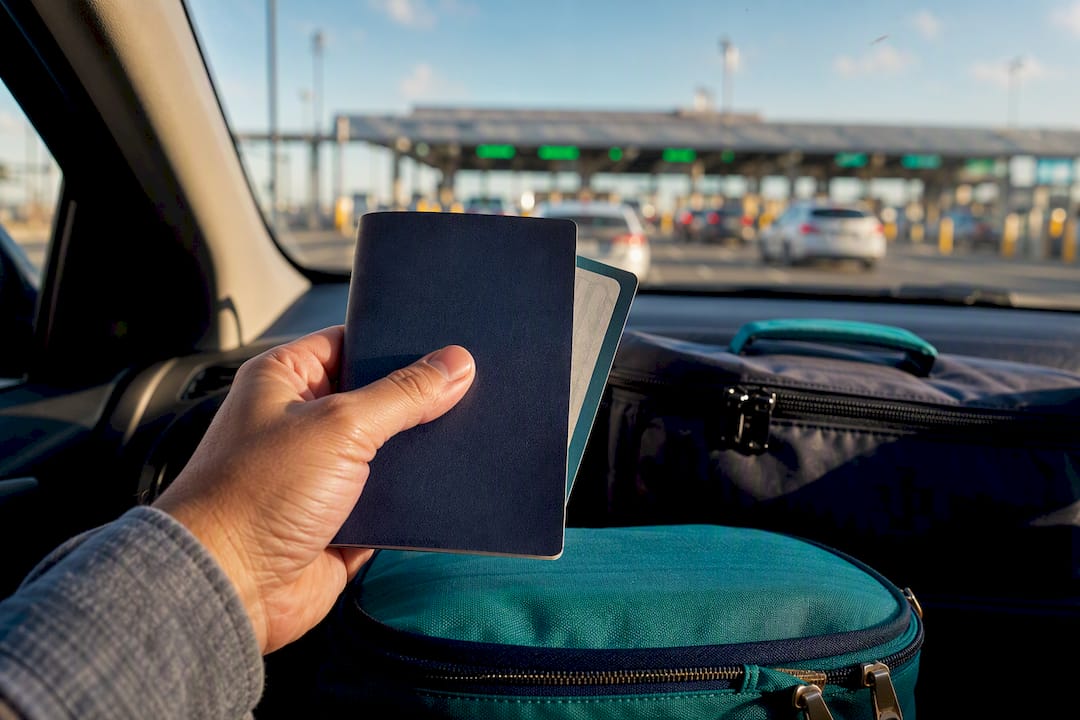
U.S. and Canadian patients need a valid passport (or passport card for land crossings) to enter Mexico for a medical procedure. Bring your hospital appointment letter or surgical confirmation, since border agents occasionally ask visiting patients why they're crossing. Keep prescriptions and any pre-op paperwork in your carry bag, not checked luggage.
Two crossing methods dominate for surgery patients:
- CBX (Cross Border Xpress) connects directly to the Tijuana airport terminal and works best if you're flying into San Diego and heading straight to a clinic near the airport corridor. It requires a separate CBX ticket and carries its own fee.
- Walking across at San Ysidro or Otay Mesa is often faster than driving during peak hours, and it's the more practical choice when your clinic sits close to the border itself.
Peak border crossing hours (weekday mornings and Sunday evenings) can add significant time to your return trip, so plan your reentry window accordingly, according to patient travel guidance.
For the trip back into the U.S., carry your passport or SENTRI card if you're enrolled, since SENTRI and Ready Lane lanes cut wait times substantially for eligible travelers. Keep an emergency contact number on hand, ideally your clinic's after-hours line, in case your return is delayed by recovery complications.
What to Expect on Surgery Day
Day-of logistics matter more for surgery transfers than for a typical border crossing, since you're often moving a groggy, mobility-limited patient rather than a healthy traveler.
Ask your transport provider or clinic to confirm these vehicle and service details before pickup:
- Wide door entry and a flat floor for easier post-op boarding
- Smooth suspension, since sharp bumps are uncomfortable after abdominal surgery
- Secure, adjustable seat belts that don't press on incision sites
- Enough interior space for a wheelchair, IV pole, or medical supply bag
- A bilingual driver who can communicate with clinic staff at drop-off
Confirm the driver carries photo ID matching their dispatch record, and ask for proof of insurance and a direct dispatch contact number before the day of travel.
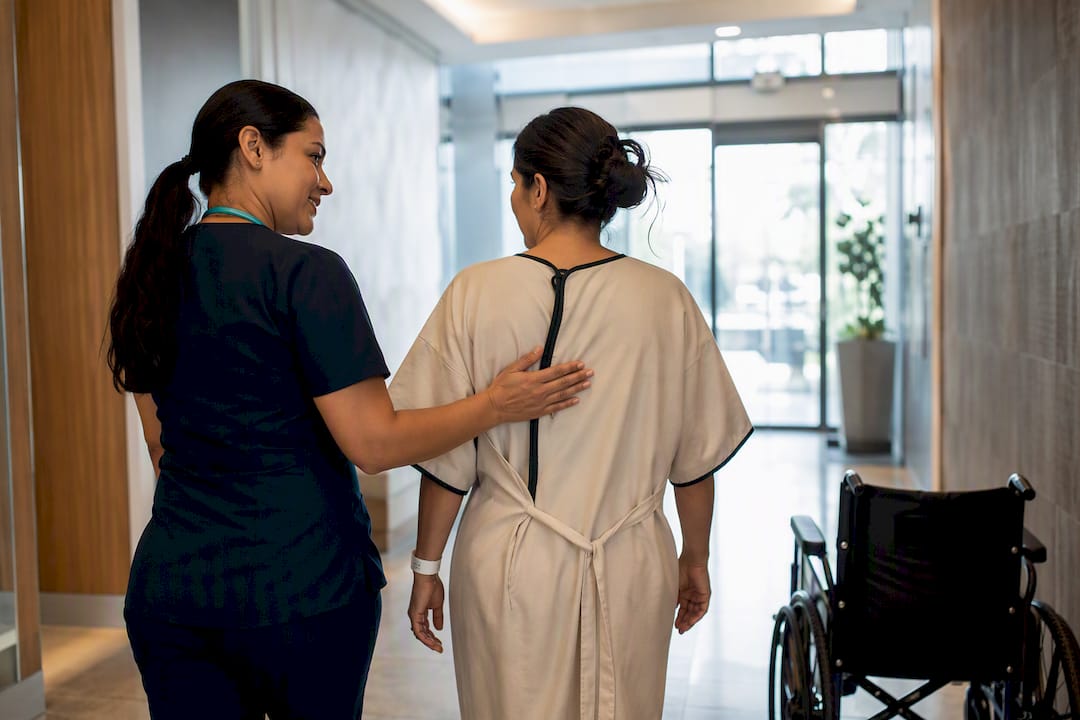
Clinic drop-off usually follows a set routine: a specific entrance for surgical patients, a triage or check-in desk, and a nurse escort to pre-op. If your flight or crossing time changes, call the clinic directly, not just the driver, since the clinic controls your intake slot.
Pro Tip: Book your after-surgery pickup at the same time you book your arrival transport. Trying to arrange a same-day return pickup while you're still in recovery is the single most common scheduling failure patients report.
Companions should confirm separately whether they're allowed in pre-op waiting areas or need their own transport arrangement while you're in surgery.
How to Verify Your Clinic and Transport Are Actually Safe
Two separate checks matter here: is the clinic accredited, and is the transport provider insured and accountable?
On the clinic side, look for accreditation from bodies like The Joint Commission, or Mexico's own SRC and ISO certifications. Ask to see the surgeon's board credentials directly, and request the facility's written infection control policy. Mexico's federal health regulator, COFEPRIS, oversees facility licensing and is the authoritative source if you want to confirm a clinic's regulatory standing independently.
On the transport side, confirm:
- The company carries liability insurance and will show proof, not just claim it
- Dispatch staff are bilingual and reachable by phone, not just text
- Vehicles follow a stated sanitization policy between patients
- Pickup and return commitments are in writing, not verbal only
Red flags worth walking away from: no written confirmation of pickup details, a driver or dispatcher who won't share ID or insurance proof, last-minute price changes on the day of travel, or a transport company that has no communication with your clinic at all. A provider genuinely coordinating with your surgical team will know your appointment time without you repeating it three times.
Weightlosssurgeryguide's accreditation explainer walks through what JCI, SRC, and ISO certifications actually verify, and the provider directory lets you cross-check a clinic's standing before you commit to a transport plan around it.
What Transport Actually Costs and What's Included
Private medical transfers between San Diego and Tijuana typically run in the range of a modest per-trip fee for a single leg, with round-trip bookings priced lower per leg than two separate one-way bookings. Clinic-included transport, where it's bundled into a surgical package, often shows up as a line item rather than a separate charge, so ask for the breakdown.
Confirm these inclusions before you pay anything:
- Door-to-door service (your hotel or home to the clinic entrance, not just to the border)
- Border escort or assistance during the crossing itself
- Waiting time built into the base price versus billed separately
Common add-ons that catch patients off guard: after-hours pickup fees, extended waiting-time charges if your flight is delayed, and extra fees for large luggage or service animals. Some Tijuana surgical packages fold ground transportation into the total procedure cost, which is worth asking about directly rather than assuming.
Tipping isn't mandatory for medical transport drivers, but a modest cash tip is customary if the driver handled mobility equipment or extended waiting without extra charge. Budget an additional cushion beyond the quoted fare for contingencies like a delayed return pickup.
Your Final Checklist Before You Confirm Booking
Before you hand over payment, get answers to these ten questions in writing:
- What is the driver's full name and ID number?
- Can you provide the insurance policy number for the vehicle?
- What are the exact pickup and drop-off addresses?
- What happens if my flight or border crossing runs late?
- Is waiting time included, and for how long?
- Is the return trip already scheduled, or booked separately?
- What's your cancellation policy if my surgery date shifts?
- Do you coordinate directly with the clinic on timing?
- Can I see recent patient reviews or a referral?
- What happens if the vehicle breaks down mid-route?
Trust signals to require before booking: proof of insurance you can actually see, a written cancellation policy, and either recent reviews or a direct referral from your clinic.
Pro Tip: Run a three-stage confirmation: reconfirm everything 72 hours out, again at 24 hours, and one final text 6 hours before pickup. Providers who answer quickly at all three stages are the ones who show up on time.
Provider Verification Resources From Weightlosssurgeryguide
Weightlosssurgeryguide maintains a provider directory for verifying surgeon credentials and clinic accreditation before you arrange transport around a booking. The accreditation guide breaks down JCI, SRC, and ISO standards in plain terms, and the post-op crossing guidance covers current border rules for patients traveling home after surgery. Request provider verification and a personalized coordination quote directly through the site.
Medical Reviewer: Dr. Ana Gutierrez, MD | Last Reviewed: February 2026
Disclaimer: This article is for educational purposes and does not substitute for personalized medical advice. Consult your surgeon or a licensed physician before making decisions about surgery or post-operative travel.
Sources and Credentials: Obesitycontrolcenter.com and Cyntar provide additional detail on affiliated surgical teams and facility credentials referenced throughout this guide.
A Note on Planning This Trip the Right Way
The biggest mistake I see patients make isn't picking the wrong transport company. It's treating transport as an afterthought they'll sort out once the surgery date is locked in. By then, you're negotiating pickup logistics from a hospital bed instead of from your kitchen table with a clear head.
The patients who have the smoothest experience are the ones who ask their clinic about transport in the very first phone call, not the week before travel. Accredited clinics that regularly handle U.S. and Canadian patients already have this dialed in. If a clinic seems vague or annoyed when you ask about pickup logistics, take that as useful information about how they'll handle other parts of your care too.
Don't assume "included transport" means door-to-door. Get the specific legs covered spelled out, because "transport included" sometimes means only the border-to-clinic leg, not your hotel or the airport.
— Ariel
Let Weightlosssurgeryguide Coordinate the Details for You
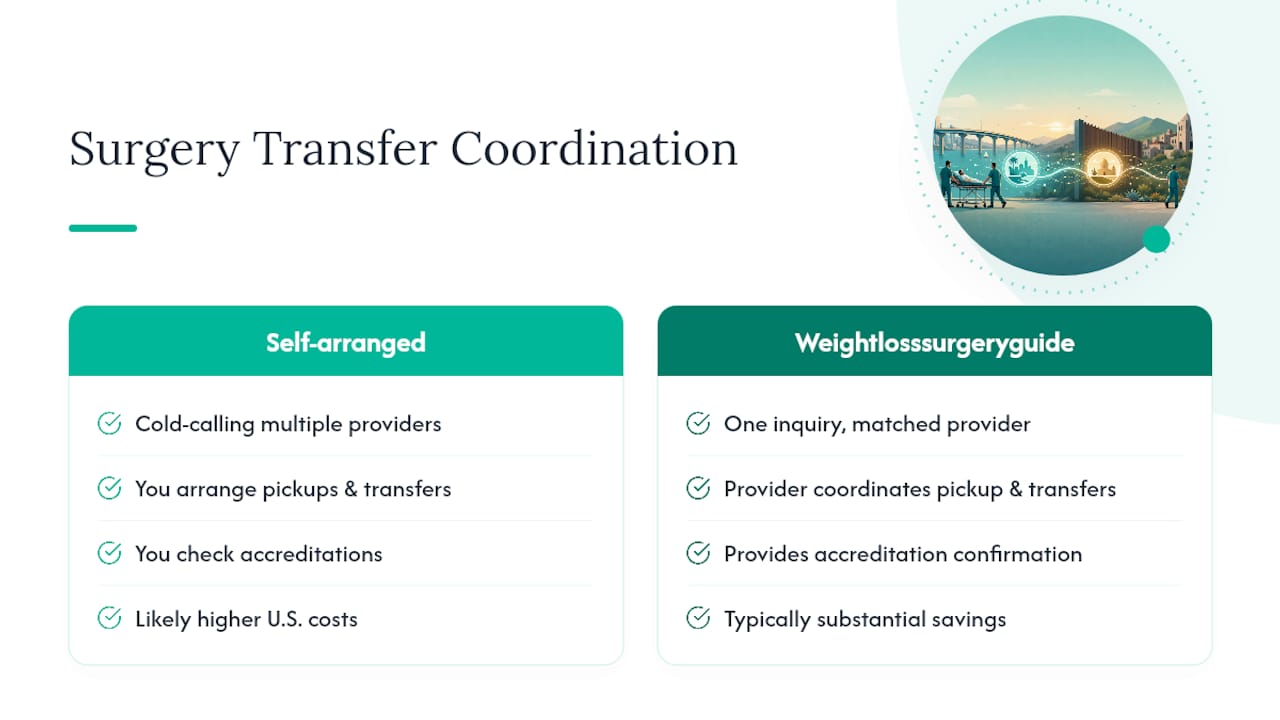
Weightlosssurgeryguide is the alternative to piecing together clinic contacts, transport companies, and accreditation checks on your own. Instead of cold-calling three transport providers and hoping one actually talks to your surgical team, you submit one inquiry and get matched with an accredited provider whose staff already coordinates pickup, documentation, and post-op transfers as part of the care plan.
Patients who go through coordinated services typically save a substantial amount compared to U.S. surgery costs while working with facilities that carry recognized international accreditation. You get provider verification, accreditation confirmation, and a coordination quote that spells out exactly what transport is included before you commit to anything.
Ready to see which accredited surgeon and clinic fit your situation? Find a bariatric surgeon in Tijuana and request your free personalized quote today.
This article is general information, not a substitute for advice from a qualified doctor. Consult a qualified healthcare professional about your own circumstances before acting on anything here.
Sources
FAQ
How much does CBX cost from San Diego to Tijuana?
CBX charges a per-crossing ticket fee separate from any transport or shuttle cost, and pricing can vary, so confirm current rates directly on the CBX booking platform before your trip.
How do I get from San Diego to Tijuana for surgery?
You can use a clinic-arranged pickup, an accredited private medical shuttle, CBX paired with a local transfer, or drive yourself with Mexican auto insurance; most surgery patients choose clinic-coordinated pickup for reliability.
How does the San Diego border crossing system work?
Travelers cross either by vehicle lanes, walking lanes at San Ysidro or Otay Mesa, or through CBX if flying into the Tijuana airport, with wait times varying heavily by time of day.
What's the best time to cross from Tijuana to San Diego?
Early morning on weekdays and outside Sunday evening rush tend to move fastest; peak hours can add significant delay to your return trip, so build in extra time if you're traveling right after surgery.
Is transport usually included in Tijuana surgery packages?
Some clinics bundle ground transport into all-inclusive packages, but coverage varies by provider, so always get the specific legs covered confirmed in writing before booking.